
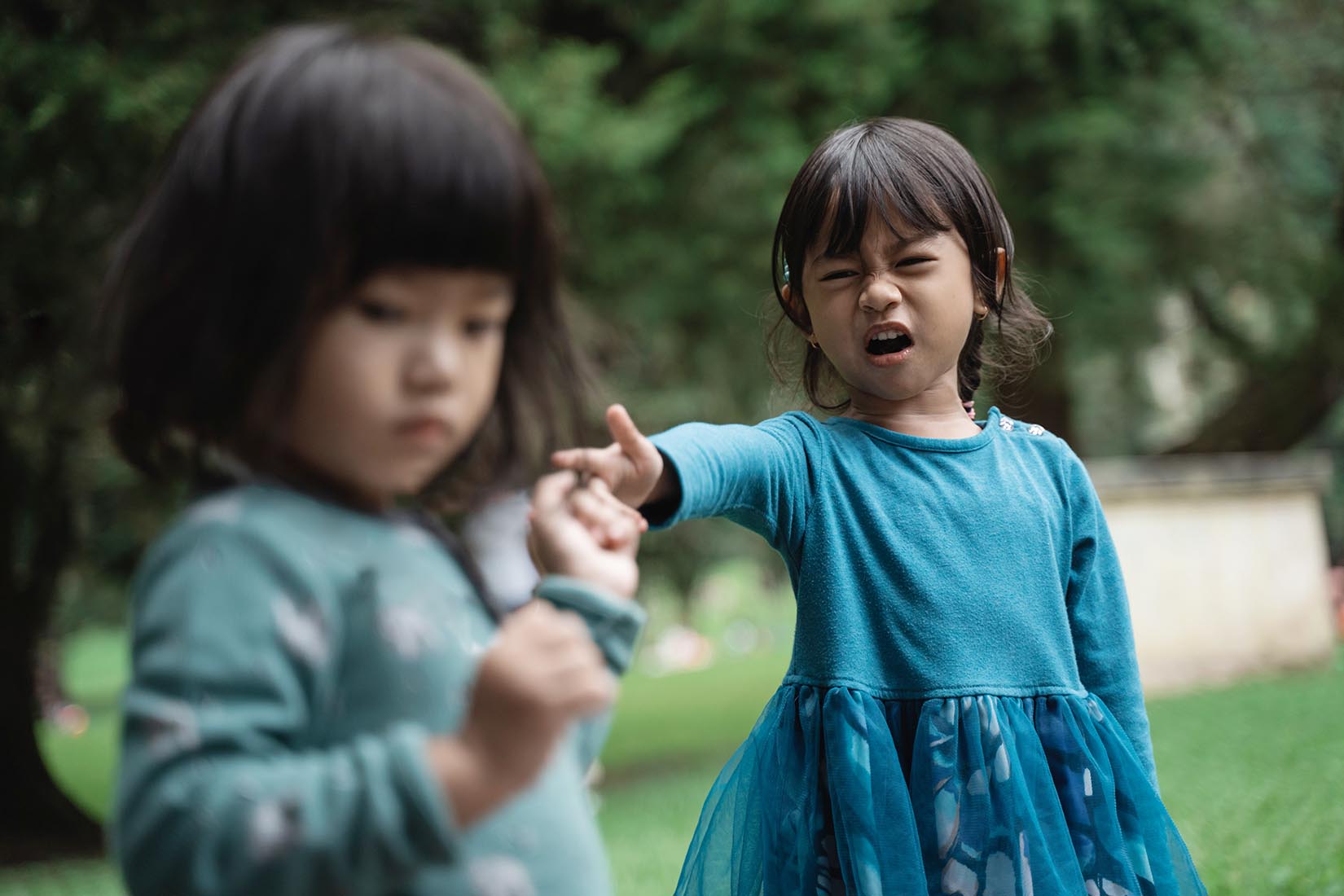
Friendships in childhood serve as critical training grounds for the rest of our lives. They help to support children’s emotional and social development and their understanding of the world around them. Yet, they are often overlooked. Despite being a positive developmental influence and teaching kids social skills-to communicate, negotiate, reciprocate, and trust people outside of family, being sensitive to others viewpoints and learning the rules of conversation, such friendships are underrated. But the fact of the matter remains that these social skills are the first stepping stones that actually predict life success more than academic skills. Probably that’s why the job market now is focusing more on the soft skills like communication skills and interpersonal skills than mere grades
How parents can help
Parents are mostly soft-hearted to their child’s pain. We all want to see them smiling, isn’t it? But there will be days when your child comes home with a long face and it will be obvious for you to think - Are her friends treating her right? Is SHE treating people well? Is she standing up for herself? Is she standing up for others? Is she happy? Do I ask her more questions? Do I back off?
A 5-year old Amrita was looking intently at a bunch of other toddlers playing in the park. At this hour of time, she usually played with her ‘friend’ from day-care who didn’t come to play today. She was sick, her mother had said.
Missing her friend, Amrita was sitting quietly on a swing. She is not that out-going, her own mother observed sitting on the bench a little away and decided on taking a back seat by not pushing Amrita to play (Understand that some children may have a lot of friends, and others may not need many friends to feel happy. Some children are very confident and will jump straight into an activity or group, while others need to watch for a while and understand what’s going on before joining in. It is important to celebrate, support and respect your child’s personality and needs. Don’t compare an outgoing sibling with an introvert other)
The kids were playing her favourite game-hide and seek. She wanted to play but the kids of the group were not her friends, after all.
With a long face, she went back to her mother at the bench.
“You are missing Neha, sweetie?” the mother asked gently (Encourage the friendships that are important to your child. Healthy friendships are an asset to a child’s mental well-being and helps them gain emotional balance)
The kid nodded.
“She will be well by tomorrow. But do you want to play with that group now, honey? the mother asked with a smile
“I want to but I am scared. They are not my friends”, she said in a low voice.
“Amu, I know you don’t know them but we can make new friends, right? Okay, come. I will introduce you to them and even play with you all” (Identify the friendship skill that your child lacks and help him develop it. Model your questions appropriately to understand their heart)
Unsure, Amrita followed her mother’s lead. As she got to know the kids, she had a gala time that evening at the park. In fact, her mother also turned into a child while easing her into the group. (Understand your child’s group dynamics; their unsurity or choice of joining/not-joining. Watch and try to work out what the reason is, then approach the situation accordingly. Some children may need time away from others, playing by themselves. Don’t push unnecessarily)
The next day, Neha returned and Amrita was on cloud nine. The other group children called her to play but she won’t leave Neha’s side. Despite them going away to play hide and seek, she sat with Neha making sand castles. She was enjoying it thoroughly. Although Amrita didn’t play with her new friends, her mother embraced her choice. (Young friendships are based on commonality and inclinations. Those who share the same interests tend to stick together. As their interests change, it’s likely that their alliances will too. It is normal and all you can do to encourage them is to be open to their choice of new friends)
The impulse to make friends is innate in most children and left to their own devices, they will naturally form friendships and gain many benefits from them. But with your support and push, they can even make ‘friends forever’ and build a happy space for themselves.
Conflicts among friends are important
In the age group of 2-4, children just ‘live in the moment’ and it is all about having fun together. Nothing more. A sorted life, isn’t it?
They become momentary playmates-friends who are conveniently nearby and who do the same things they like to do. Simple. But due to this simplicity, they have a very limited ability to see other perspectives or accept differences in likes or dislikes of one another.
It is the age group of 4-5 when children get the first taste of friendships and building relationships with peers as they have more readiness for the ‘work’ that it takes to maintain friendships. Playing together in a group, exchanging toys, interacting with each other, copying one another, trying to understand others are some of the first things children do when learning how to build and develop friendships.
Children are explorers and as they begin navigating relationships and understanding the world outside of themselves, they notice peers with similar interests and who they enjoy being with. Let them openly engage in positive experiences as well as figure out what happens when they have a conflict with a friend.
Of course, some days will be hard for you when you see your child’s play dates involve lots of squabbling over toys with ’mine’ and ‘yours’ in the picture or your child’s buddy keeps bobbing him on the head when he doesn’t hand over the block. But try to see them as learning opportunities: Conflicts erupt because children don’t yet have the skills to mediate