
What to replace excessive praise with?
Parents are more likely to regulate their appreciation for their children when they accept one simple fact: it can’t independently build their children’s sense of self-worth. We need to realize that our children need to perceive themselves as worthy individuals. So, how do children so young start seeing themselves with eyes of admiration? By recognizing their hard work, by taking on new challenges and by seeing that their actions can add value to their surroundings. Of course, the support of parents is crucial, we should provide our children with opportunities that promote discipline, grit, and overall development. Here are a few things that experts recommend we as parents should do.
Chores not snores: Have them do household work
Kids develop self-assurance when they’re given responsibilities around the house. They develop pride in their living space by contributing to it; dusting their bedrooms, making the bed, and taking out the garbage. Having them do work around the house that benefits the whole family like setting the table for dinner, walking the dog, and watering the garden also builds a humbling sense of importance.
Expert opinion
Assigning chores to kids gives them a sense of purpose and belonging. By doing chores, kids discover that "it’s not just about me and what I need in this moment, but that I’m a part of an ecosystem. I’m part of a family. I’m part of a workplace." - by Julie Lythcott-Haims
Volunteer Atmosphere: Get them to give back
Kids develop self-esteem by helping others and by being part of something bigger than themselves.
Here’s what they can do at their level to bring a change:
- Hand draw cards for people at an old-age home
- Look after street animals: feed them, get them vaccinated, put them in a shelter
- Collecting donations by selling hand painted ‘diyas’ during Diwali in the neighbourhood.
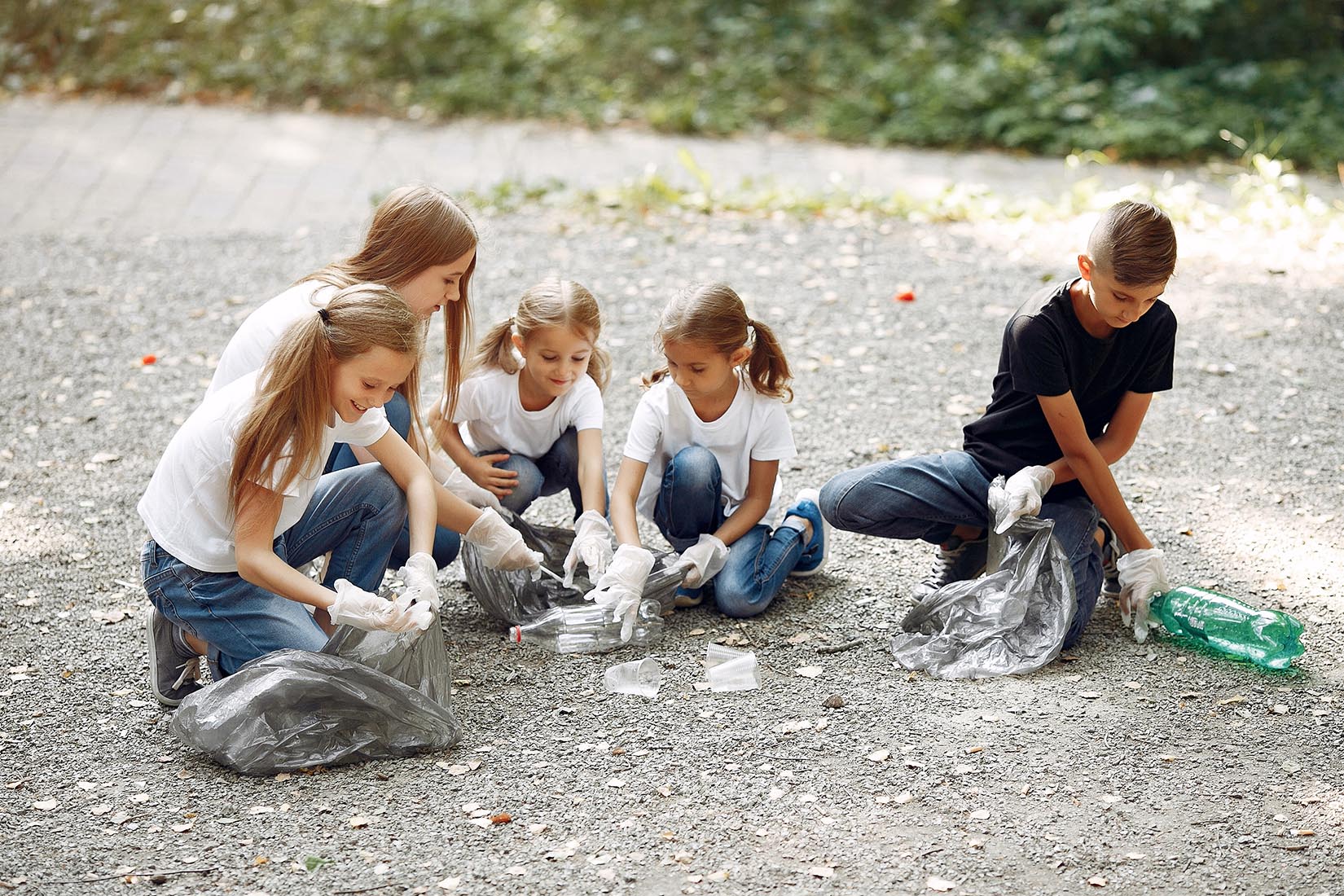
- Picking up litter from the community park
- Tree plantations
Their self-esteem is bolstered by volunteering because it empowers them. They learn at a young age that they can make a difference by supporting causes and doing small acts to improve their immediate surroundings.
Expert opinion
Youngsters who volunteer are more successful in life. They perform better in school and are more likely to graduate from school and college. - Peter Levine, Director of the Centre for Information and Civic Learning, Tufts University.
Be fair to Self-care: Help your children establish a self-care routine
Kids who pay attention to their own mental, emotional, physical and spiritual health become more confident and empowered individuals. Just like making certain that teeth get brushed and vegetables get eaten, we should also put our kids overall well-being, slightly higher up on the priority list. Here’s what children can do as self-care:
- Exercise, learn a sport!
- Eat healthy food
- Alone time: spend time by themselves (off gadgets and comics) to reflect.
- Pick up a hobby that is non-competitive in nature, like: doodling, painting, gardening, dancing, singing, theatre, poetry reading, doing puzzles and jigsaws, reading.
- Writing/drawing in a journal.
- Yoga
- Interacting with friends and family
Expert opinion
Kids gain confidence when they have time for unstructured play. This means that they’re interacting with other kids, making up their own games, and following their own rules. It enhances social interactions, stimulates imagination, and builds leadership skills.- by Dr. Peter Gray