
We all probably have one toy from our childhood that we held dearest to ourselves, that we have many memories of and one that we carried around with us everywhere. Jia’s most cherished stuffed toy from her childhood is a langur called- Poochi. This one time she cut Poochi’s front hair because she had always been told by her parents to keep her hair behind the ears and not let it come in front of her eyes (of course, she expected that Poochi’s hair would grow back eventually, like her’s did). When she was born she was gifted several stuffed toys and colourful little knick knacks for her cot, but her most favourite from the very beginning was Poochi- The Langur.
Colourless sight
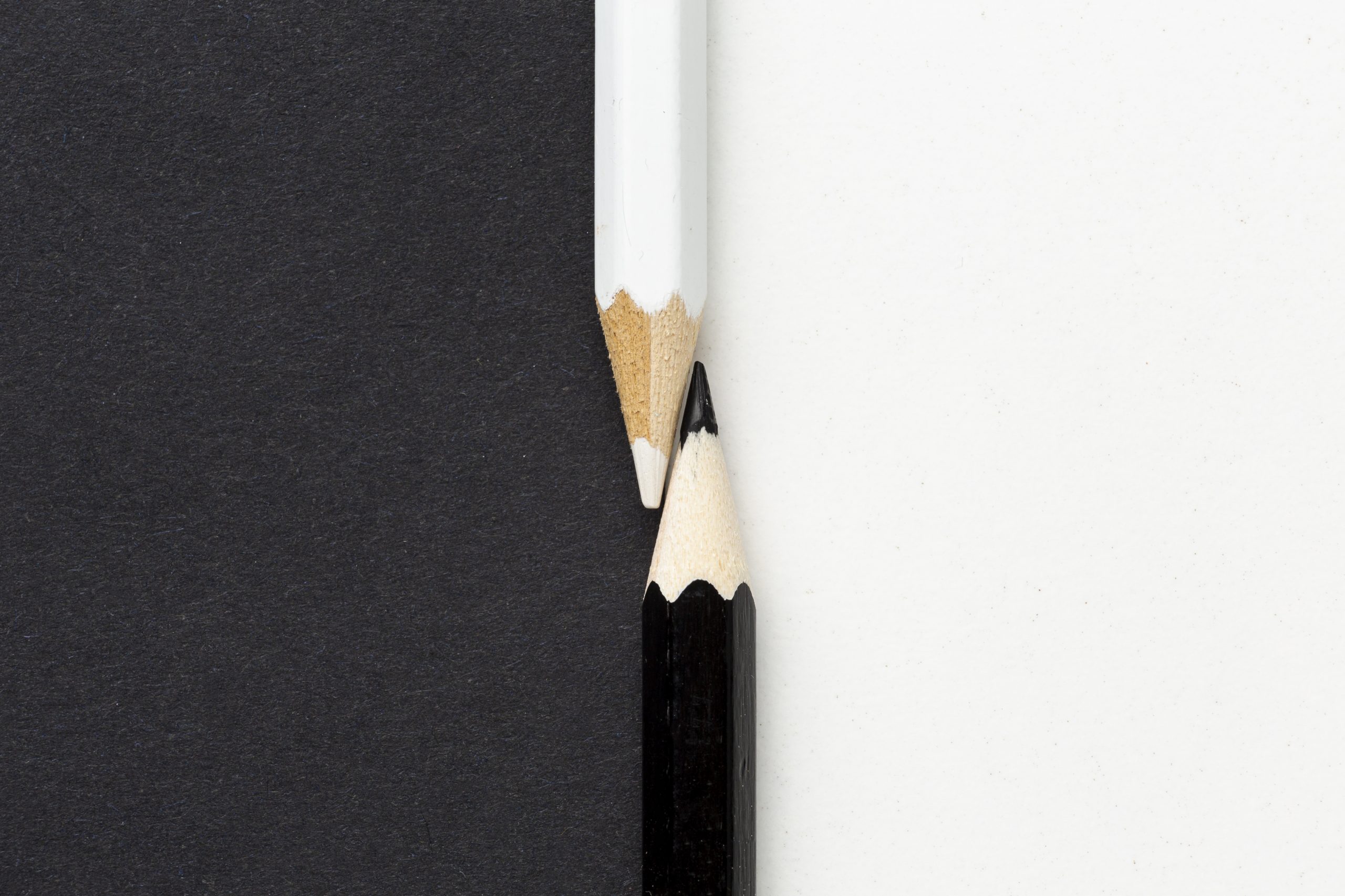
What’s interesting to notice in infants below the age of 6 months is that they’re often drawn to black and white colours. Whether it’s their light coloured blanket, or the hair on their mother’s head (which they often try to reach out to) or like in Jia’s case a black and grey langur. You see, till about the first 6 months of a baby’s life their eyes and their brains are not developed enough to register a myriad of colours that exist in our surroundings. Truth is they can only see in black, white and shades of grey.
The world would’ve made much more sense to babies if it was all in black and white, perhaps they would’ve even grown faster if that was the case. Of, course it would be impractical to keep their surroundings monochromatic but we can still make their interaction with the world a little easier, by using books with black and white images.
Black and White Books- the appropriate stimulation
By showing them these images and narrating stories based on them they will something in their surrounding closer to their understanding. Telling those stories and exposing them to their mother tongue at this age will really help them pick up language at a later stage because by then their ear would’ve been trained to hearing it. It provides them with the much needed stimulation in an easier and comprehensible form as compared to numerous coloured toys of all complex shapes and sizes, all far too difficult for the baby to understand. Maybe you will see that your child is more consumed by these books which have bold and well defined black and white images as opposed to images of rainbows spread across the page. Showing them circular patterns in black and white will be even more attractive as it reminds them of your eyes.
Fewer the Better
Let’s bring our focus to Minimalism for a bit, minimalism is a philosophy that promotes the idea that- ‘less is more’. The psychological reasoning behind this ‘trending’ thought is that our brains (not just our baby’s) are simply over stimulated in the world that we live in. The more objects and colours and shapes and variety we have in our surrounding the more our brain is (unconsciously) working to absorb them, eventually tiring itself out. Now, let’s think of our babies, their vision, and brains are still at a budding stage, if you think that she’s getting unnecessarily restless or that he’s irritable or is turning away his head, it might be because they’re overwhelmed by the multiplicity of stimuli in their surroundings.