
Nature has its way for everything it has created.
A child is a born seeker. He is constantly trying to figure out ways to familiarize with the world around.
Play is the innate way in every child to explore and discover the surroundings, for that’s how they will learn.
Besides, there are several theories, right from Piaget to modern day reinstating the fact.
“When you asked me what I did in school today and I said, ‘I just played.’ please don’t misunderstand me. For you see, I am learning as I play. I am learning to enjoy and be successful in my work. Today I am a child and my work is play.” Anita Wadley, 1974
From outside play may look simple, but it is incredibly complex if we see its internal working in a child.
As per research, the activities engaged in by children both stimulate and influence the pattern of the connections made between the nerve cells.
Let us explore the positives of play a little more:
1. Science & Math:
Physics & Math are everywhere in the daily experiences. It is a natural tendency in children (right from infancy) to observe, manipulate, sort, measure, compare objects lying around them. Through this they are absorbing basic science and math concepts.
Learning doesn’t happen, one has to be done. Here the activity for learning is PLAY.
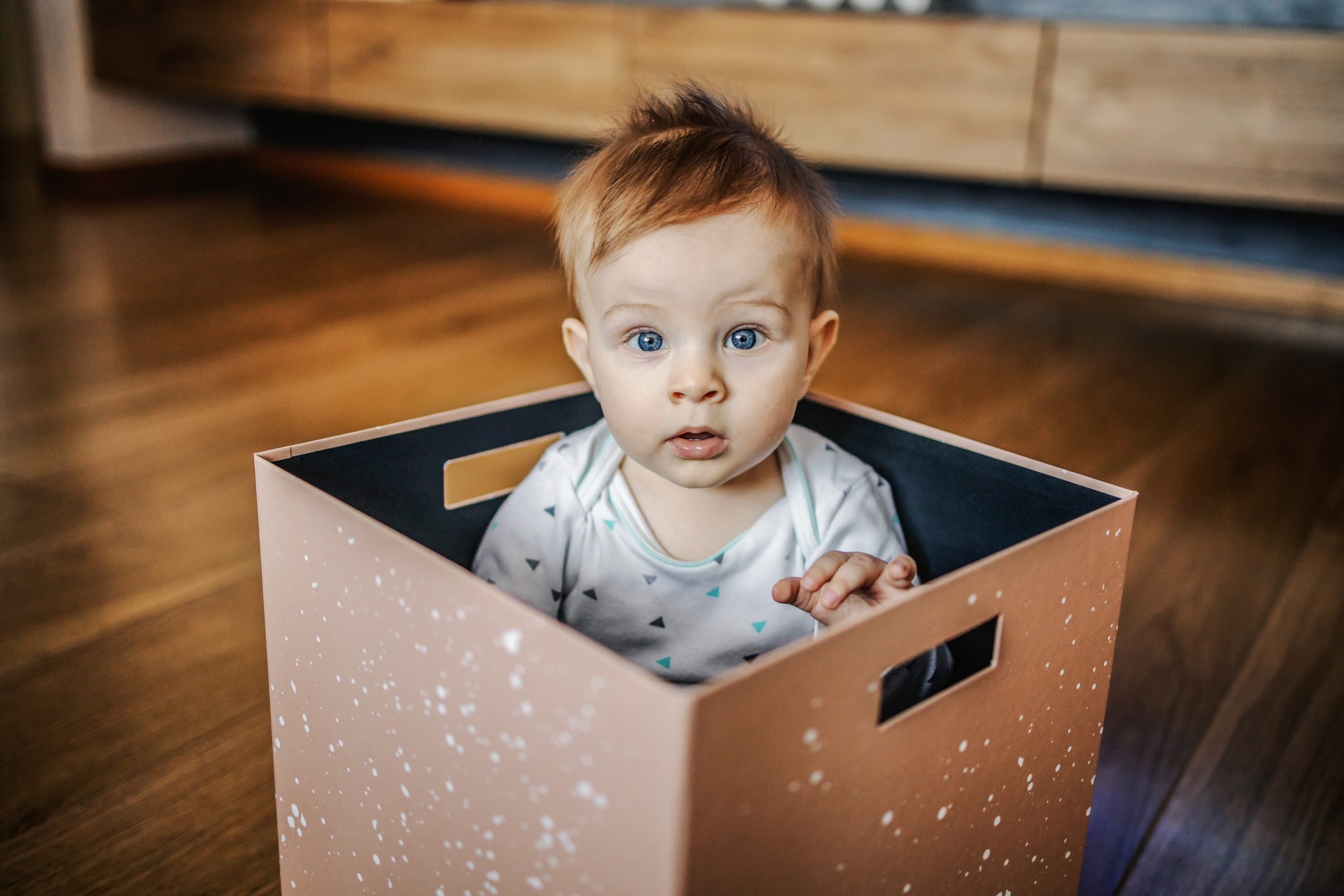
Tip: Open ended toys are great source of exploration in diverse ways. Things like blocks, water, sand, boxes, play dough and the list goes on. The highlight is that these can be sorted, combined or manipulated through movement or action.
2. Creative Thinking and Problem Solving: Engaging in Play has its own set of challenges-
Stack of blocks falls, conflict with sibling/friends, a color of paint is missing and needs to be mixed, how to reach my favorite cookies as it is kept high up? Let’s drag a chair and so on.
During the course of play problem-solving an important life skill is being inculcated.
Tip: Independent play time is leads to highest level of divergent thinking in preschool. Divergent thinking declines with age, so encourage kids as much as possible to hold on to it.
3. Self-Control and Social Skills
Playing with others (adults, friends, and siblings) is bound to involve a give-and-take, to-and-fro scenario. Whether it is a role play, taking turns, establishing rules, there is some degree of negotiation and compromise involved.
Children end up picking up various abilities:
- Listen to others point of view
- Being assertive but also follow others’ lead
- Follow rules
- Learn socially acceptable behavior
- Resilience
- Empathy
- Resolving conflict Independently
- Waiting for turn
- Being compassionate
Tip – Unstructured playtime is a great way to encourage social interactions. Preschools are the best place for kids to meet similar aged folks.
4. Motor-Skill Development
For a child to function and perform everyday movements; whether they are self-care tasks, holding objects, learning to write, jumping, walking and anything that requires movement of muscle, fine and gross motor skills play a vital role.
Activities like tearing paper, play dough, pegboards, beading, painting, scribbling are some of the early ways to tune fine motor skills.
Movements like crawling, jumping, climbing, swimming etc. are ways to build upon gross motor-skills.
Tip: If the child is anxious or has high energy levels, exhaust those little ones through some high energy games like hide and seek, running around an outdoor sport, hurdle race, slides etc.
5. Language and pre-writing Skills:
There is an inevitable need to articulate while playing thereby exposing them to words, language, grammar and ultimately construction of sentences. New things and activities build and expand their vocabulary as they talk about what they are engaging in.
Kids form a perception through visual and auditory skills long before they begin their formal reading. This is what the brain must be able to rightly identify and recognize- what it sees and hears in order to form letters, interpret them, and blend the sounds together into meaningful words.
Tip: Both these skills can be mastered through play role plays, flash cards, rhyming games and more.
P.S. Take a step back. Observe from a distance. Be there and not do it for them. There might be disappointments at both ends, but once they achieve success the joy is immeasurable, not to mention the oodles of self-confidence which the child develops. If adults step in to make it happen for the kid, they are unknowingly taking away their joy of discovery.