
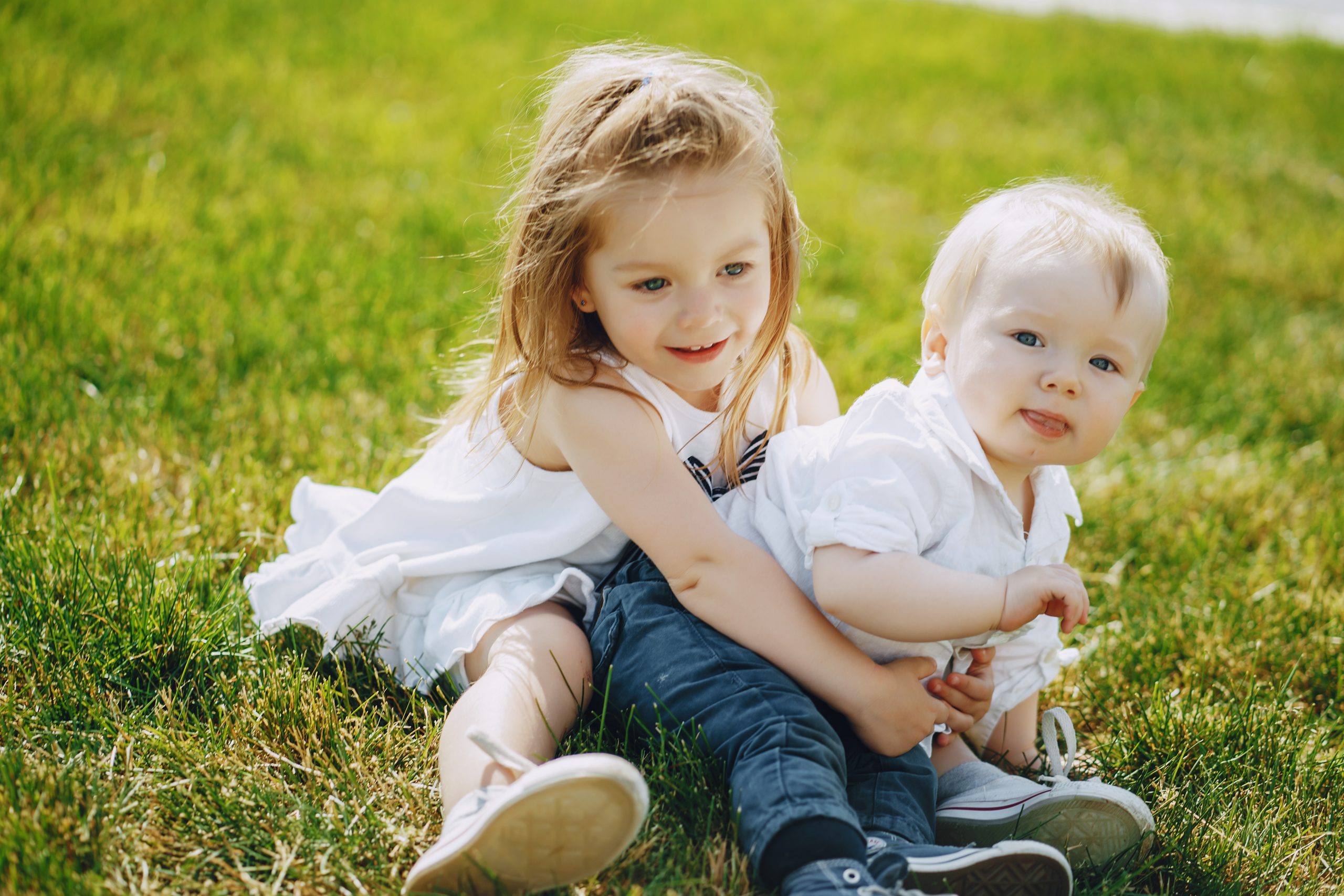
Some of our favourite childhood memories are outdoor activities.
This is not by chance… They are the favourites as these experiences were concrete and personally meaningful and uninhibited!
Outdoor Play opens up opportunities to explore, experiment, manipulate, reconfigure, expand, influence, change, marvel, discover, practice, dam up, push their limits, yell, sing, and create!
Children need the opportunity to explore the unknown, the unpredictable, and the adventurous. They also need to be able to wonder at nature. Let’s take a deeper insight into the ‘need for outdoor play’
Child’s first-hand experience of the ways of the world, of life and growth
Much of what a child learns outside can be learned in a variety of other ways, but learning it outside is particularly effective—and certainly more fun.
What does the snow feel like and taste?
Why does standing on a sand feel different?
Where did the stone go when thrown in the river?
What happens to soil when it rains?
Why can I not see the moon and only clouds?
How do I make my tricycle go over a speed breaker?
Why is this dark creature (shadow) on the ground behaving like me?
What does a flower smell and taste like?
Look at the ants walking in a line!
Why do butterflies have so many colours?
Being outdoor like being in nature’s classroom, where the child gets to experience and absorb information about the weather, the seasons, growth, habitats, life cycles, light and dark; the list is endless
Children need lots of opportunities outside to develop basic social skills and social competencies: pushing each other on the swing, pulling a wagon carrying another child, playing together in the sand, and so on.
We all know about the more obvious benefits: builds stamina, exhausts the tonnes of energy stored, enables a good night sleep, Kids get their daily source of Vitamin D. But there are some deeper aspects to being outdoors as well. Here they go:
1. Discovering the Self
The child needs to push limits in order to discover and enhance physical and emotional abilities. So when your 3 year old makes a mess, runs, jumps, hides, shouts, whistles, explores or rolls in the sand in the park, he is taking control of his emotions and body while grasping about his surroundings in a free-space.
How high can I swing?
Can I go up the slide?
Can I balance walk on this log?
What are these wiggly creatures gliding through the mud in the garden?
When your infant crawls away to shake hands with another infant in the park, he is making friends. While your toddlers are pushing each other on the swing, pulling a wagon carrying another child, playing together in the sand, they are improving their social skills. When your pre-schooler sets on a quest with his friends to find a simple stone which could be a piece of buried ‘pirate treasure’, or food for the big bad wolf!
Besides, building stamina,
2. Discovering the Environment:
Experimenting with the physical world broadens the horizon of knowledge by exploring their surroundings, being curious about what’s around them and finding joy in seeing new things.
I will not get hurt on falling in the sand!
The rocks are dangerous to walk on!
The bird has built a nest on a tree.
The wind is blowing, let me cover my eyes from the dust.
digging and dumping sand
Outdoor play, allows the child to appreciate the natural order of things and a consistent interaction with the environment enables the child to discover and develop a relationship with the natural world.
Let your 5-year-old wonder at nature: how the wet mud when it rained yesterday turned into dried lumps today or how the puppies run and snuggle into their mother. He would really gape with awe when he sees those bird’s eggs hatch in the park and little chicks chirping out to their mother. Such experiences can’t be lived while watching them via a screen!
People who report positive experiences with nature are more likely to behave in ways that protect the environment
3. Supports the development of the brain and nerve functions and growth.
Besides ‘letting off steam’, outdoor play enables children to “recharge their batteries,” to reinvigorate themselves by engaging in a very different activity from their classroom experience.
Thus rolling, crawling, running and climbing, and swinging on swings are all absolutely critical activities for young children who are in the phase of literally taking first steps of their life and needs to strengthen and fine-tune their movement and action and cognition.
Learning a new word like freeze would be quicker if they can play outside with the snow. They are more likely to understand the concept of melting if they can conduct their own experiments with ice cubes in the sun! For pre-schoolers who are probably learning numbers at home, leaves, berries and twigs also provide a wide range of exploratory opportunities that can be transformed into and used for literacy and math development such as counting and/or letter recognition or used creatively to make a beautiful decoration.
Children can run faster than the wind, climb trees, roll in the grass, jump in puddles, swing on their arms, and so much more with the availability of open spaces
Going outdoors is an opportunity for your child to widen his/her sensory experiences, and gain an intuitive, “embodied” understanding of how things work.
So, let them roll outside and seize the day!