
Formative Years
Influence of Stress on Child Development
Chapter 1.9
Share on facebook
Share on twitter
Share on linkedin
Share on whatsapp
Rita is walking down the street with her 4-year-old son when suddenly he falls and scrapes his knee. As soon as he notices that his knee is bleeding, he starts to cry uncontrollably. Rita’s first response is to pick him up and provide comfort to ease his stress. She starts talking to him about the birds they see around them and soon he forgets about his knee and is in a happy mood again.
Let’s Reflect
When Rita’s son fell and saw blood on his knee, his body experienced a stress reaction and the response system was activated. He had:
– an adrenaline rush,
– his heart rate increased, and
– his stress hormone levels skyrocketed.
Since Rita was around to emotionally support him, he was able to calm down.
How does stress impact child development?
Learning to deal with stress is an important part of a child’s development. Children can grow up with a variety of stressors in their life. These can have an adverse impact on their future if they do not learn to cope with them.
However, not all stress is bad. The three types of stress a child can experience are:
- Positive Stress – this refers to the normal negative reactions’ children encounter during common or routine life events such as learning to ride a bicycle, or the ice-cream fell. These cause a brief and temporary increase in stress levels.
- Tolerable Stress – this refers to experiences that have more severe and potentially traumatic effects which may take more time to recover from. Examples include loss of a loved one or a frightening injury. These experiences can be damaging if support is not provided by the caregivers.
- Toxic Stress – this refers to adversities that are prolonged and traumatic and take place without the protection and care of an adult. Examples of these are neglect, abuse, and exposure to household dysfunction. This can disturb the mental and physical health of the child and cause severe cognitive impairment.

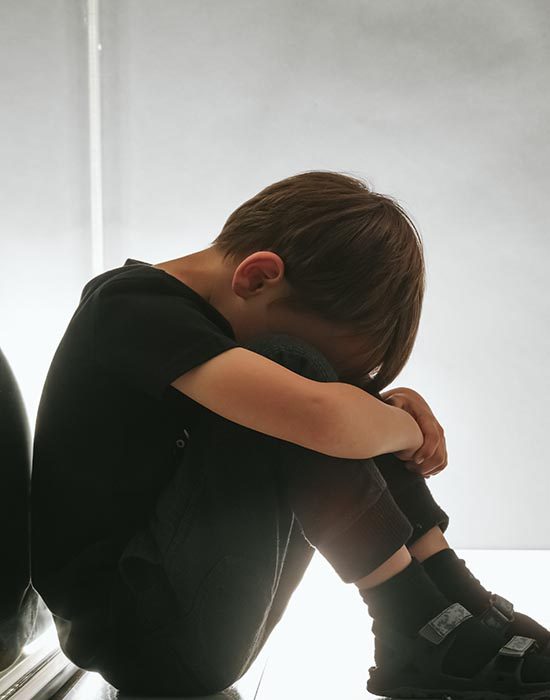


Why does toxic stress have such a lasting impact?
Stress is our body’s natural response to events where the body sends signals to the brain to act which are fight, flight (run away) or freeze (shut down). This leads to several body changes such as increase in heart rate and higher hormonal activity which are normal reactions that help to protect us. These physiological changes go back to normal once the stressful event is over or adequate support is given.
However, in toxic stress, these reactions do not go back to normal. As a result, the child is always in a heightened stress state and this causes negative consequences for the child’s health.
So, should I protect my child from every adversity possible?
The answer to this question is that, even though all parents would like to protect their child and ensure they never face stress, it is simply not possible to protect them from it forever. The severity of the impact of a stressful situation on the child depends on the way the child handles it. This depends on two factors – genetic and environmental.
Some children have a higher biological predisposition to be able to cope with adversity. This ability to cope with stress in a healthy way and be able to move on is known as resilience.
Every child has some level of resilience in them.
How can I ensure my child can handle stress?
There are several factors that can help to improve resilience. These include having a positive self-image, problem-solving skills, strong communication skills and self-confidence. All these factors depend on one thing and that is having a caring and supportive parent-child relationship.
Children can heal from the effects of toxic stress if they have a healthy and reliable relationship with their caregivers. An important part of this relationship is to teach the child to be resilient.
What are ways in which resilience can be taught to children?
Paediatrician Kenneth Ginsburg identified the seven Cs of resilience:
1. Competence – decision making is a crucial life skill.
By letting young children to use their intellectual construction to take some decisions (when appropriate), which gradually empowers them to think ahead for the bigger choices in life
Eg: Which story book do you want to read tonight?
Which dress do you want to wear today?
Do you want to play with the blocks or do splash painting?
2. Confidence – All you need to do is ignore the mess and appreciate the efforts.
This is an important skill that can be developed by making children focus on their strengths instead of weaknesses; praising them when they do something good and helping them achieve their goals.
Eg: Toddler trying to pour water from one container to another. This might take several repeated attempts every day before he/she has a control over his/her grip.
3. Connection – Welcome all emotions
Building connection is vital to build resilience and this can be done by allowing children to show their emotions and creating a sense of safety at home. Close ties to family, friends, school, and community give children a sense of security.
Eg: Disha: Mom I am sad.
Mom: I know sweety your friend has not come to the park today. How about I take you out for an ice-cream today?




4. Character – Now or Never…
A child can be taught morals and values by showing them how their behaviour affects others and avoiding hateful statements and actions.
Eg: I am sad, I want to hit something says 3 old Riddhi.
Dad – I understand you are upset, but hitting will only hurt others, do you really want to hurt someone?
Riddhi – No (with a long face)
5. Contribution –The Act of Benevolence
Once children understand how good it feels to help others, they will help others in every possible way to bring a positive difference in someone’s life. Another aspect is to be able to ask help when needed; accepting help is an important part of being resilient.
Eg: Rishabh tripped and so did his ice-cream
His younger sister, all of 2 years instantly offered to share hers.
6. Coping – Develop effective coping strategies
Guide their way to overcome challenges by helping your child divide their problems into smaller, achievable tasks.
Eg: Vidya was unable to carry all her toys to her grandma’s room. Dad suggested she could get an empty basket and transfer some toys turn by turn into her room. Voila! Task simplified and done on her own, without needing help. Proud Vidya!
7. Control – Bouncing back from stressful situations.
To be resilient, children need to have a degree of control over their actions and reactions.
Eg: Aarav: Please Mumma do not go.
Mom: I am going to get some of your favourite fruits. Will be back in no time.
Aarav: Okay Mom! and gets busy with his play
So, roll up your sleeves and start arming your child with skills that will help them even once they grow up. It is never too early to turn your little one into a superhero!
SHARE
Share on facebook
Facebook
Share on twitter
Twitter
Share on linkedin
LinkedIn
Share on whatsapp
WhatsApp
Last chapter
Next chapter