
Early Learning & Development
Things to consider while raising a child
Chapter 3.7
Share on facebook
Share on twitter
Share on linkedin
Share on whatsapp
Studies show that the experiences that children have in the first few years of their life are the determinants of how they will be as adults. These experiences influence how their brain will develop – their learning, behaviour, health and have a lasting impact on their lifelong success.
These experiences do not always have to be positive. For instance, a child should have some stressful situations in the presence of supporting adults. This will allow them to learn how to deal with stress in the future.
However, too much stress is also not good. Frequent or excessive stress (also known as toxic stress) can be damaging to the development of the child and can make children more susceptible to negative outcomes on their health and well-being.
Let’s Reflect
A nurturing and loving environment can help to create a protective shield for your child against the potential harm that would be caused by adversity in the early years. This can be enhanced by keeping in mind the following factors when you parent your child:
Responsive parenting
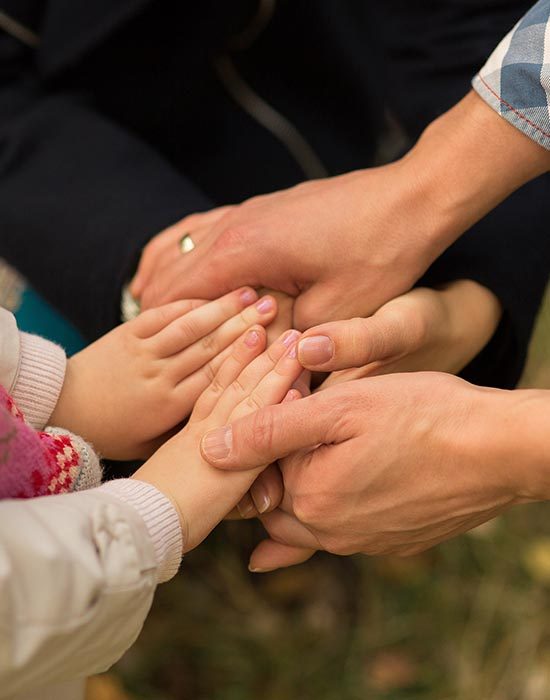
Responsive parenting centres around the idea of spending quality time with your children in the form of serve and return interactions. This results in formation of a strong relationship with your children and encourages them to reach their full potential.
Why is this important?
Responsive parenting is imperative for building the brain of your child. Think of your baby’s brain as a house. Responsive parenting is what provides a foundation for this house so when it is fully built, it is strong. The first few years of your baby’s life are vital for building thousands of neural connections that will determine the success and healthy development of most of your child’s personality. This forms the brain architecture of your child.
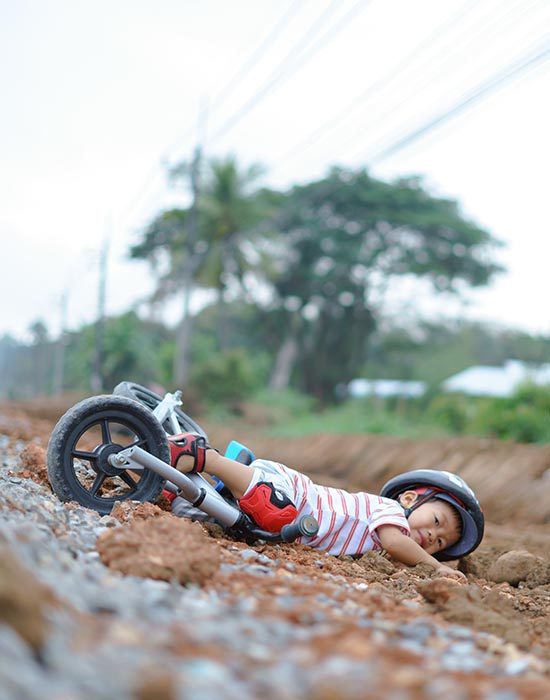
Responsive parenting also helps to build resilience which is the ability to bounce back from stressful situations. For instance, if your child falls and scrapes their knee causing them to cry, having resilience will mean being able to move on from this incident quickly, stop crying and go back to playing in the playground. Resilience is formed when parents can provide a buffer or protective environment for the child where they can thrive and adapt to adversities in life. The combination of this positive environment and responsive parenting helps to form the basis for how your child will be as an adult and even as a parent in the future.


Important Life Skills
There are certain life skills that all people need to develop to reach their full potential. These skills help to plan, focus, adapt to situations and have self-control. Scientists refer to these skills as executive function and self-regulation skills.
A simple example of when this is used is in the classroom environment where children are expected to take part in activities and raise their hand to ask questions. This requires problem solving skills, patience, focus and controlled impulses which all come under the executive function and self-regulation skills.
These skills help children with not only academic success but also to grow up to be responsible adults. They are crucial for the development of your child. These skills are not pre-existing and therefore need to be developed. This is where the role of parenting comes into play.
How are these skills developed?
These skills are formed in the early years when children are given an upbringing which helps to provide “scaffolding” for the child in stressful situations. Scaffolding refers to a protective and supportive environment provided by parents that allows the child to learn executive function and self-regulation skills. This further enables the child to practice these newly learnt skills in a safe environment before they start performing them independently in the real world.
Parents can facilitate the learning of these skills by:
- Establishing a routine for their child – Having a fixed structure for day-to-day activities is important. For instance, you can make sure your child goes to bed and wakes up at the same time every day.
- Modelling behaviour – Everything about parents is observed and learned by their children so parents need to be careful with the words they speak and things they do around them.
- Good parent-child relationships – affectionate and supportive relationships can help children develop these skills as they will grow up with high self-confidence and self-esteem. They will know they have support in case they make mistakes in learning.
Minimizing Stress
While it is impossible to avoid stress as it is a part of everyone’s life, it is vital to reduce the potential stress sources for your child. This will help as s/he will not have to deal with stress constantly and is able to focus on other things such as development and learning. Severe stress (toxic stress) is something some children are forced to go through due to poverty, neglect, abuse etc and this can be damaging for their development.
Why is toxic stress so bad?
Toxic stress causes lifelong negative consequences for the child in the form of mental and physical health problems. A stress reaction in our body takes place when a hormone called cortisol is released when we face a stressful situation. This increases our heart rate, blood pressure and makes us alert.
If the child has nurturing and responsive relationships around them, they are able to bring the cortisol levels back to normal. However, in situations of extreme stress with no support, the biological system can get overloaded and therefore create permanent damage. Furthermore, constantly being in a stressful situation will prevent the child from developing important skills needed for life.
Early childhood experiences can help children get a good start in life. The key is to provide your child with the appropriate environment that will put them on the path for success!
These three principles will best support building healthy brains and bodies.


SHARE
Share on facebook
Facebook
Share on twitter
Twitter
Share on linkedin
LinkedIn
Share on whatsapp
WhatsApp
Last Chapter
Next chapter