
Toddlers – PSED
Personal,Social,Emotional Development (PSED) in Toddlers – An Introduction
Chapter 5.1
Share on facebook
Share on twitter
Share on linkedin
Share on whatsapp
During the Early Formative Years, PSED underpins everything a child does, and ultimately, if a child’s Personal, Social and Emotional Development isn’t nurtured and supported, the other areas of learning will be affected.
It is the phase when self-consciousness is defined in children: the affective one: Toddlers already have their own will, which often opposes the will of the adult. This is an indication as to how their personality is about to go through a complete transformation.
By age 2, children have somewhat developed realization towards:
– difference between thoughts in the mind and things in the world. In pretend play (e.g., pretending a stick is an umbrella), toddlers show that they can distinguish between an object – the stick – and thoughts about the object – the stick as an umbrella.
– the fact that people will feel happy if they get what they want and will feel sad if they do not.
– the possibility, that there may be a difference between what they want and what another person wants.
This developing awareness is seen in toddler’s language too: 2-year-olds talk about what they and others want, like and feel; by the time they turn 3, they also talk about what people think and know.
Let’s Reflect
Parents do not need to go out of their way in order to support PSED;
PSED is everywhere and in every interaction, you have with your toddler. From the earliest stages of teaching him/her manners, to encouraging her to do things (washing hands, putting on shoes, tidying the room etc) on her own, to modelling behaviour about being considerate towards others’ emotions (e.g.: friends lost toy) are all part of supporting your child’s PSED.
What is PSED and Why is it important?
Personal, Social and Emotional Development (PSED) are three building blocks of future success in life. They are closely linked to each other and often bracketed together as one area of learning and development. Early PSED has a huge impact on later well-being, learning, achievement and economic circumstances.
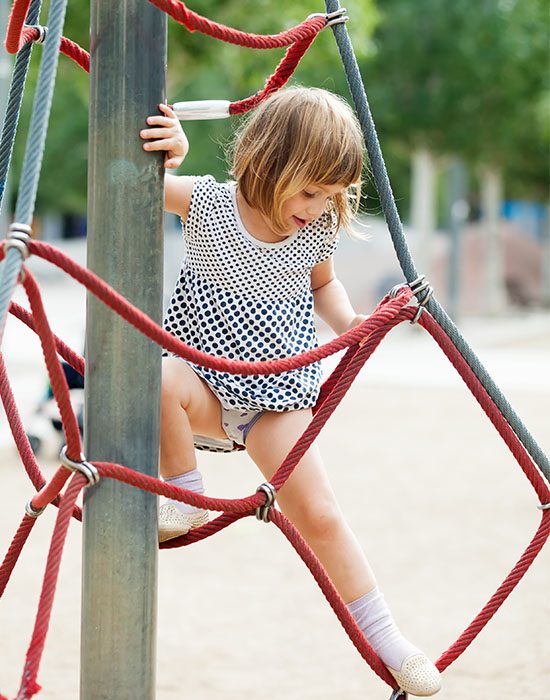

Personal Development (Being me)
Dispositions and attitudes Self-care (Self-awareness and motivation) How one comes to understand:
- Who I am?
- What can I do?
- How can I look after myself?
Everyday Experiences
– Wants to wear his favourite colour red
-The “I will do it myself” attitude. Who-hoo your baby is growing up!
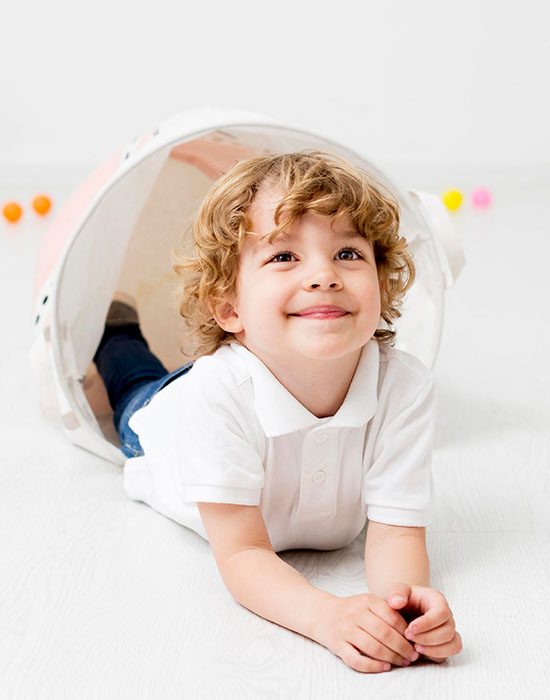
Social Development (Being Social)
Self-confidence and self-esteem (Behaviour and self-control Social skills) How one comes to understand themselves in relation to others:
- How to make friends
- Understand the rules of society
- Appropriate behavior towards others.
Everyday Experience
– Enjoys being around peer groups.
– Says “thank you” each time you hand him the thing he wants.
Emotional Development (Having Feelings)
Making relationships (Sense of community)… How one comes to understand one’s own and others’ feelings and develop an ability to ‘stand in someone else’s shoes’ and see things from their point of view, referred to as empathy.
Everyday Experience
– Is still a little skeptical of new surroundings
– Fills you with sloppy kisses to display his affection
Role of Parents
- Let your little one know that s/he means the world to you. Being special for someone, and well cared for is important for a child’s physical, social and emotional well-being.
“Oh, you’re back from your friend’s place; I missed you so much, look I even made your favorite pudding”
- Constantly acknowledge and affirm your child’s gestures Child gains confidence and inner strength through secure attachments with his/her folks.
“You offered the hungry baby your biscuits. I am so proud at your gesture”
- Provide a secure base to explore the world thereby paving way to self-assurance, and promoting a sense of belonging.
“Let’s set up a little feeder for the birds along with a water pitcher” They will have a comfortable place to rest, eat, and drink whenever they get tired. What do you think?’
- In addition to role-modelling positive behavior, parents should also ensure opportunities to their child to interact with others so that s/he can develop positive self-image and positive relationships.
“How about requesting your uncle to teach you how to play tennis”
- Letting your child freely express his/her ideas and feelings, such as happy, sad, amused, startled, fear etc. can help build inner abilities to cope with new, challenging and stressful situations.
“I can understand having friends come over makes you very happy, but some days we need to play just by ourselves”

Sounds insightful?
Let us look at each aspect in detail and how can these be supported at home:
Personal Development:
Is about attaining Self-Confidence and Self-Awareness; promoting children’s independence in tasks
Social Development:
Is about Making Relationships; turn-taking and sharing,
Emotional Development:
Is about Managing feelings and behaviour; Exploring and Understanding their own emotions and feelings
Enabling Environment:
Providing safe, secure, and enriching environment whilst taking the interests of the child into consideration
Positive Relations:
Reciprocal Interactions promote attachment between the parent and the child and develops a co-operative spirit right in the child, that becomes his/her lasting habit!
Characteristic of a Toddler: The defining factors
SHARE
Share on facebook
Facebook
Share on twitter
Twitter
Share on linkedin
LinkedIn
Share on whatsapp
WhatsApp
Last Module
Next chapter