
Preschoolers – PSED
Social Development in Preschoolers
Chapter 6.3
Share on facebook
Share on twitter
Share on linkedin
Share on whatsapp
Rishabh has invited his friend Vinay & Sarika. The same day he receives the parcel of the most awaited hot wheels garage. All three of them want to explore the new toy, but Rishabh is possessive about it. His dad then explains to him that he needs to let them play with the garage too, or next time they will not want to come over yo his house to play. Rishabh lets his friends engage with the new toy and soon all three of them have their roles figured out in managing the garage…
Let’s Reflect
Sometimes natural consequences may be the best teacher. Promoting social development and prosocial skills is a challenge. It demands: commitment, time and thought . . . and patience from the parent’s end.
Stage 3 of Erikson’s theory of psychosocial development: Initiative
Around the third year of birth a toddler’s energy towards striving for independence passes and naturally channels towards exploring, inventing and creating.
Early Social Behaviour:
Owing to the enthusiasm gained from their newfound power it’s an era of role-plays, pretend plays, story-telling – putting into action what they have so far gathered. They become initiators of discovering the world themselves, ponder over questions, and look for their own answers.
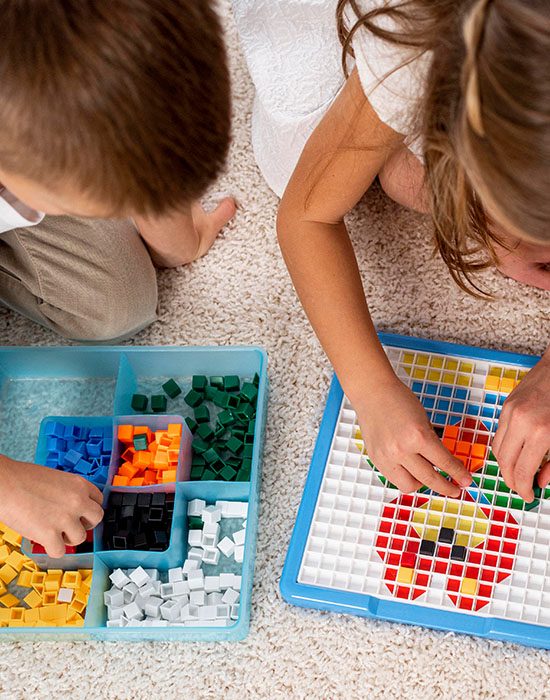
This phase also happens to be the onset of associative play. They come to understand other kids’ point of views, ideas as well as try to express their own.
Eg: Building a sand castle involves working together as a team as well as respecting each other’s zone of work. This is an important lesson w.r.t body awareness and personal boundaries.


The power of Everyday Interactions:
All parents need to do is, to respond to their child’s need to initiate by enabling:
- Information (The Moon is very high in the sky, so we can only reach there in a rocket). So, don’t be surprised if your little one wants to make every cylindrical object in the house his ‘rocket’.
- Freedom (It sure can get messy, but it is the need of the hour!) Let them roll in the sand, dip their fingers in the paint, jump in those muddy puddles, experience those drops of the first shower. This is how they discover the power of their sense
- Encouragement – Show your enthusiasm in their discoveries and activities. Ask questions that lead them to further probing. “Where did the water go? Why did the sponge get heavy? Let’s squeeze the sponge and find out what happens?”
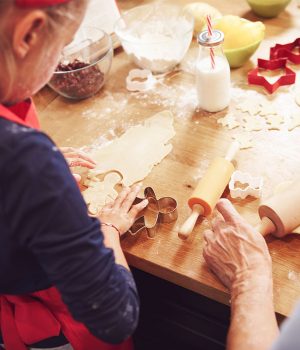
- Resources – Through hands on play the child gets a sense of achievement. They are subconsciously grasping valuable concepts and skills like cause and effect, problem-solving, classification, sorting, matching and more. Simplest way is to look into your kitchens: Sievers, nesting bowls, sorting rice from rajma, threading through pastas, how about freezing some toys to understand the concept of melting, playdough to make those monster germs, the possibilities within the household items are as much as you look for them
Being a parent is rewarding but often demanding. However, knowing what your child is undergoing is a normal part of a young child’s development, can be very reassuring.
Having high levels of self-awareness and empathy enables parents to ‘tune in’ and respond in a reflective rather than an impulsive way. The relationships they establish with their child and the learning opportunities they provide, will help their young child to develop the personal, social and emotional skills.
SHARE
Share on facebook
Facebook
Share on twitter
Twitter
Share on linkedin
LinkedIn
Share on whatsapp
WhatsApp
Last Chapter
Next chapter