
Kindergartner – PSED
Positive Relations with Kindergartener
Chapter 7.6
Share on facebook
Share on twitter
Share on linkedin
Share on whatsapp
Mom: I want a rest sweetheart. Can you play on your own for some time?
Raj: Okay Mom. Here you go (handing over her blanket). It is cold mom
Mom: Thank you (thinking when did he grow so big?)
Let’s Reflect
The Clay is still Wet
Doesn’t it seem like Poof! and your preschooler has grown up to a full-fledged elementary school student. It was just yesterday when he was all clingy and possessive about you!
Life definitely gets easier in some ways – s/he has so much more self-control. S/he has become remarkably more cooperative and affectionate.
Even though you start getting to reap the benefits of mindful parenting, you do not get to slack down. Things can get complicated, as your child is still in the process of shaping his/her characteristics. These are the foundation years for your child’s personality, life choices and overall behaviour.
What’s Happening on the development front?
1. Has gained good command over his/her behaviour and emotions.
Owing to this the following features develop:
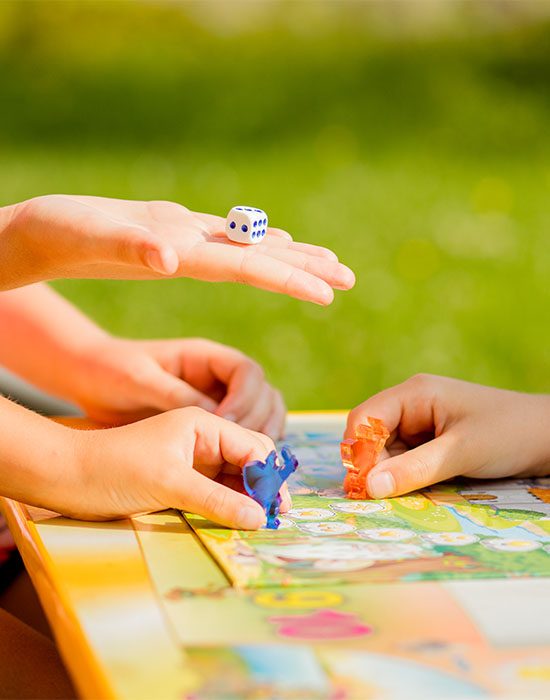
- There is an advancement towards more structured Learnings & Play. A kindergartner is ready for board games as it requires abiding by the rules and a taking for winning/losing and playing fair.
- Improvement in social skills like empathy, negotiation & sharing opens doors for friendships. There is a sudden surge for engaging with peers, as it gives him/her a sense of belonging.



2. Is Sensitive
Wishes to please you and other adults around by doing things the right way.
Eg:
– “Look Mom, I finished my breakfast! Say “Verrrry Good!”
– Uncle: You are a small boy, so you get the small cup
Tushar: {snaps!) I am not a small boy. (embarrassed)
– Naina: I am a bad girl! I throw away all the toys! (self-critical)
Mom: You are not at all bad. I understand, right now you are upset but will clean up the mess before bedtime like you always do! You are the best girl in the whole wide world.
3. Want more say in what they can and can’t do.
Brace up on having a one-on-one with your opinionated 6-year-old! S/he can now tell the right from the wrongs and might just catch you eating pizza which is ‘junk food’, remember!
The Key is to understand where your child is coming from
Parental warmth and control (in a positive way), are the two most important parental attributes which helps to create positive effects. Hence, building a strong relationship with your child, should be your utmost goal as a parent for at least a couple of years. This well -founded bond will be instrumental to help sail through turbulence associated with teen years
It’s a two-way street
Sensitive mutual understanding and interactions between children and their parents is an important factor in parent-child relationship.
If you want your child to take responsibility for his/her behaviour/actions, s/he will have to learn to think for themselves.
S/he needs to feel like it matters when s/he speaks, or takes action.
Following are some points that might be handy while raising a kindergartner:
1. Embrace on demand
The mini-adult has his/her own mind, own likes & dislikes, wants to take charge of the activities himself/herself. Remember to take your cues about independence, as they will still tug you for a warm cozy hug, and reassurance. They still might act up to draw your attention, and vise-versa, and yet there will be times when they are independently functioning !!!



2. Be ready for some exhausting negotiations
Whining is babyhood, so the mini-adult uses arguments, to have it his/her own way. Trust us, it is the track you would want your child to be on, unless you want your child to become an adult who just follows orders and does what is told…
Adopting humorous, charming, ways to make your ‘No’ a ‘Yes’ also teaches the child to be mindful of one’s choices. So, inculcate a habit of questioning, let them ponder, think hard and slowly get in the habit of reasoning out things. Let them petition for a different answer, listen to his/her arguments and state your objections. Brainstorm and problem solve together for a solution that works for everyone. If s/he overcomes your objections, you can allow yourself to be sold, and — this is win-win parenting.
Aarush: I want a biggggg fire truck
Dad: But you already have 5 of them, why do you need one more?
Aarush: Because I want to have the biggest one.
Dad: Oh! So, you want the biggest one. Then let me make you one! Will you help me
Aarush; Of-course Dad! I love you.
3. Resist the impulse to over-schedule
Sunday outing was dampened by sudden downpour. However, the weather was beautiful. So, Shiv decided to make the most of it with Darsh, his 5-year-old son. Firstly, they offered to dish out a magnificent breakfast, and give mom a break. Rest of the morning was spent building a city out of the paraphernalia Darsh owned. Lunch was like a picnic in the city. Darsh, then got busy on his own taking peppa and his friends around the town he had built with his dad. Evening was spent with some songs and music. Overall, a cozy, quiet, peaceful, fun day with zero electronics.
It doesn’t have to be fancy always, sometimes, spending time together and having fun in each other’s company is all you need..
Stay calm. Decode the behaviour
Parents want their child to do the right thing, and might end up exercising power-based discipline methods. Yes, your child needs to learn to make repairs for his/her behaviour/action, but you also want them to self-internalize the ability to set limits for themselves. Meeting his need for connection with you, will help them ease up and happily co-operate.
Trying to understand his/her point of view will not only build your bond closer with them, but will also give you an insight about your child’s thought process, the trigger which made him knowingly do the wrong thing. This will in turn help you set limits with empathy.
1. Make your child’s Action and Opinion Count:
– What would you like to have for dinner tonight?
– Can you with some oranges from the fridge?
– Why do you think your friend did not turn up at the park today?
The idea is to not miss out on any opportunity to foster close relationships. And what better way than amongst everyday routines! Of course, if you ask, be prepared to accept and live with the choice made!
2. Respect their choices
Sometimes, parents just need to look the other way, only to stand by the choice made by your little one. Even if it means wearing his favourite bunny jacket everyday to school or insisting to read his favourite story book everyday
This is important to encourage decision making skills early on in life, for it to be embedded as a lifelong attribute.
Sometimes, part of being a parent is to let your work or home schedule take a back seat. Always remember to enjoy your child, as these times will be the ones cherished by both of you keeping the bond strong.



SHARE
Share on facebook
Facebook
Share on twitter
Twitter
Share on linkedin
LinkedIn
Share on whatsapp
WhatsApp
Last Chapter
Next chapter