
Kindergartner – Physical Development
Physical Development in Kindergartener
Chapter 7.7
Share on facebook
Share on twitter
Share on linkedin
Share on whatsapp
Anisha: Let me help you vacuum dad.
Dad: But it is heavy for you
Anisha: I am a big girl now, look I lifted it!
Dad: Ok, but you only get to vacuum the sofa.
Anisha: Thanks Dad! Look there is dust in my toy garage… Let me clean that too!
Display of more daring behaviour and enjoying rugged muscle activity is a common trait with children aged 5-6 years; the primary graders or the kindergartners
Let’s Reflect
Kindergarten is a big year for learning to do new things and for gaining skills; as motor-skills become important for acceptance and leadership
The age of 5 or 6 marks the beginning of your child’s formal schooling. You might soon have trouble keeping up with your budding offspring. As kids near the end of kindergarten, most are able to do things like this:
– begins to run, hop, skip, and jump without tripping over their own feet.
– shows gradual increase in speed and accuracy
Physical Development Characteristics of Children in their Kindergarten years
On the physical front kindergartners tend to lose baby fat if they are heavy and gain weight if they are thin. Their lungs are relatively small, the heart is rapidly increasing in size and pulse and respiration rates are increasing. Owing to this, following are some indications:
– They get tired easily,
– Eye to hand coordination is difficult,
– Body balance is under developed,
– Muscle coordination is difficult, and
– Reaction time is slow.
Physical Activities that can strengthen the developing muscles
- Throwing and catching of small balls or beams at a distance of about ten feet.
- Jumping forward a distance of own height.
- Jumping down from a height of 3 feet, landing on both feet knees well bent, without losing balance.
- Forward and backward roll.
- Hide and seek games
- Simple dance activities.
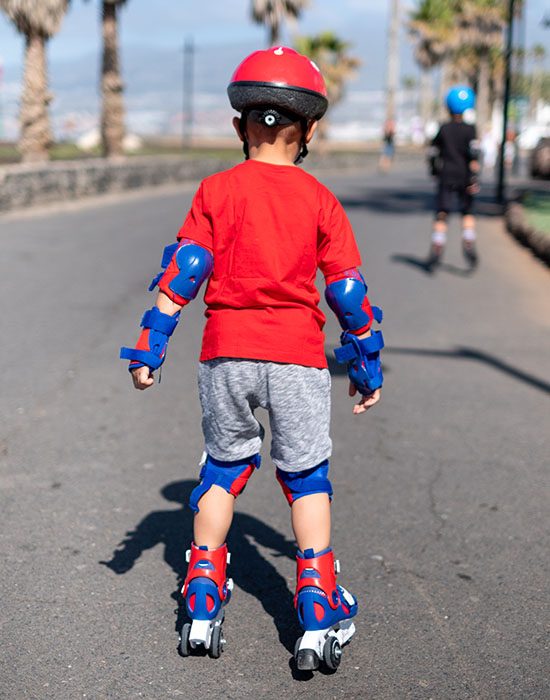



Towards the end of the kindergarten age, your child will show the following significant growth In
Gross Motor Skills:
- Balance
- Walking on tiptoes
- Skipping with ease
- Standing on one foot (for at least 5 seconds)
- Kicking a ball
- Catching ball
In Fine Motor Skills:
- Pincer Grip adeptness
- Writing his/her own name
- Ability to use fork, knife and spoon and sel-feed
- Tying shoe-laces
- Cutting shapes using scissors
- String Beads with ease
- Screw and unscrew nuts and bolts.
In the following article (Kinds of Motor Development) get a deeper insight about the nuances of the physical and motor development during the ages 5-6 years to be able to better support your child’s development.
SHARE
Share on facebook
Facebook
Share on twitter
Twitter
Share on linkedin
LinkedIn
Share on whatsapp
WhatsApp
Last Chapter
Next chapter