
INFANT – PSED
Characteristics of PSED in Infants
Chapter 4.7
Share on facebook
Share on twitter
Share on linkedin
Share on whatsapp
The first year is marked by:
Awareness of Self
Infants:
– Find it amusing to look at themselves in the mirror
– Explore their own body: play with hands, reach for their toes
– Giggles and laughs on being tickled
– Uses eye contact, gestures, facial expressions, and voice to draw attention of the parents or the caregivers
Awareness of Others
Infants:
– Notice the physical characteristics of others
– Reach out to touch your nose, strokes your skin, feels your hair
– Responds when interacted: hand/leg movements; face brightens; coos
– Recognizes and is most responsive to parents/caregivers
– Follows gaze and smiles at eye contact.
Taking Interest in other children/siblings
Infants:
– Keenly watches and tracks their behavior
– Expresses the joy of their company through gestures and/or babbles: sticking out tongue, opening mouth, making out sounds.
– Reach out for their belongings
– love playing peek-a-boo. It paves their path to taking turns during play.
Managing Feelings & Behavior
Infants:
– Seek for cuddles and being held is their way of generating emotional and physical security.
– Parents/caregiver’s face and/or voice instills a sense of comfort & reassurance
– Calm from turbulent emotions on being rocked, snug, or hearing your voice
– Gradually is able to display a range of physical emotions – pleasure, startled, excitement and more..
– Reacts to others’ emotions: responds to smiles, weeps on hearing other baby cry,


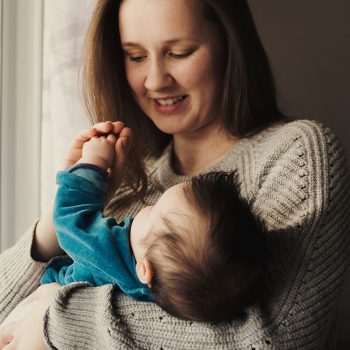
Developmental Continuum: Helping promote your child’s competencies:
Infants flourish under your attention. They are on constant look-out for your presence via touch, glances and soothing voices.
- Show the baby that you are Listening: Follow your baby’s lead by repeating sound, mirroring movements.
- Undivided Attention: Plan on one-on-one time with your little ones when they are in an alert and responsive state and are willing to engage
- Display Pleasure: Sing rhymes songs with actions or whilst stroking or pointing to the babies’ hands, feet, nose, cheeks etc. Babies will repeat actions that get a positive response from you.
- Stay Close: In times of social gatherings always make it a point to be available and make them feel loved and safe.
- Respect & Act over their cues: Turning away is the baby’s signal for less stimulation, they hold out their hands in anticipation to be snuggled and so on.
SHARE
Share on facebook
Facebook
Share on twitter
Twitter
Share on linkedin
LinkedIn
Share on whatsapp
WhatsApp
Last Chapter
Next chapter