
Preschoolers – PSED
Emotional Development in Preschoolers
Chapter 6.4
Share on facebook
Share on twitter
Share on linkedin
Share on whatsapp
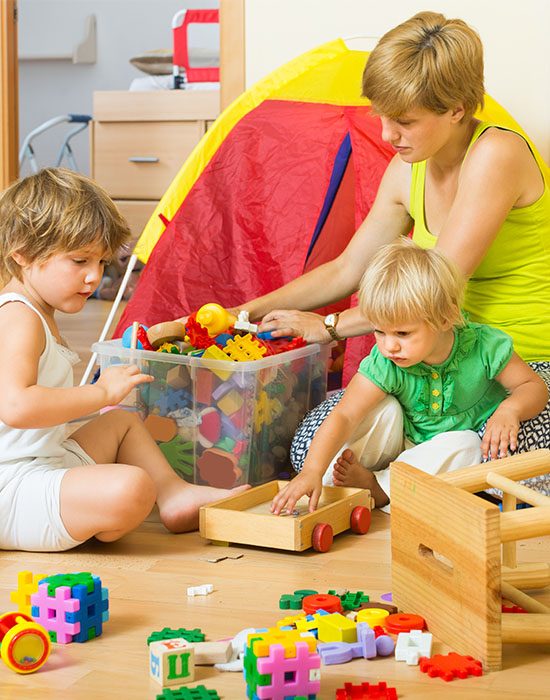
Child: Mom, I want to make my giant floor puzzle.
Mom: Hey that sounds fun!
Child: Yippeee!!! But first I need to clear the room and make some space.
Mom: Hey, I am impressed. You like keeping your room tidy. Come let me help you with it.
Make sure they feel confident that you will meet their basic needs and partner with them to solve problems and manage frustrations.
Let’s Reflect
Emotions help us derive meaning from the world around us!
Though preschoolers are more independent than infants and toddlers, they still need a lot of help! Develop a confidence in your child, that you will always be around to help him/her manage difficult emotions, or tasks
Pre-schoolers have the capacity to label and discuss their emotions — they just need a safe and open environment to do so!
Every child is unique and develops a little differently, but overall, there are some general guidelines to building a well-equipped, emotional toolbox—and they don’t just happen. They involve practice and support from those who understand how important emotional intelligence really is.
How as parents can you help facilitate this emotional growth in your child?
Grab every opportunity to let your child know that their thoughts, feelings, and efforts matter. Acknowledge his/her difficult feelings and help to both – word it out as well as display strategies to handle them.
Ensure SmoothTansitions:
Three and four-year-olds usually struggle with inappropriate or challenging behaviour during times of transition i.e. ending the activity/task in hand and moving on to the next one. “Warning” before a transition occurs is especially important when they are transitioning away from doing something fun.
Eg: “I know that you enjoy painting a lot, and you are trying to get better at it. But now it is time to head to the park. Let’s do some cycling together buddy! It’s going to be fun…” says Dad


Practise what you preach and recognize positive behaviour:
Provide your child with opportunities to understand and practise expected behaviours. Oh, and always ensure your appreciation each time they practise it. Another way is to organically seep in the expected behaviours. This happens as they watch you handle situations in a particular way.
Eg:
Child: Mom, this is granny’s umbrella!
Mom: Yes dear. She lent it to us last evening, remember? We will give it back to her on our next visit. Also, I will thank her for saving us from rain.
Fascinated by the ambulance, asks her friend if she can take it home to play.
Child: Mom, I need to give back the ambulance to my friend. I will also thank her.
Mom: Returning things back in the right condition means you are mindful.
Tune in, observe, and use information you gather about your child to guide his/her learning.
Expose your preschooler with varied opportunities to learn. This also, will give you an insight about the child’s needs which then equips you to appropriately respond.
Following are some cues:
– What is my child curious about?
– What type of activities interest him/her?
– How is s/he feeling?
Observe your child’s cues from above questions, and gather information to guide your child’s learning.
Each day help your child feel safe, secure, and loved. By doing so, you are laying the foundation for his/her healthy social and emotional development, which is instrumental for him/her in becoming happier individuals and succeed in school and in life
SHARE
Share on facebook
Facebook
Share on twitter
Twitter
Share on linkedin
LinkedIn
Share on whatsapp
WhatsApp
Last Chapter
Next chapter