
Kindergartner – PSED
Enabling Environments for Kindergarteners
Chapter 7.5
Share on facebook
Share on twitter
Share on linkedin
Share on whatsapp
It was a moment of thrill and achievement for 6-year-old Pranav, as he had mastered a new trick on his scooter: landing a one-foot drop! He instantly looked over to be sure his parents saw him; it was clear that this was more than a moment of triumph.
He had been closely watching other riders for weeks now, hoping to master it someday. Not a day went by when he did not make attempts. This self-directed zeal helped him to stay strong during the moments of challenge (emotional/physical) and keep on with the pursuit.
It was a regular day with his friends in the playground. The superheroes had to capture the bad guys. While chasing the bad guy, he came across his scooter and grabbed it, and gave it a few hard kicks, in an attempt not to lose his target. And Voila, it was there! his first successful one-foot drop. It happened during a highly engaging role-play, maybe that gave him the confidence….
Nevertheless, it was an immensely overwhelming sense of accomplishment for Pranav.
Joyful learning gets all the more important for Kindergarteners who are getting their first taste of school, and are being prepared for the grade levels to come.
Let’s Reflect
Foster your child’s positive identity as a curious and capable learner
With the preschoolers the focus was on having them pick up skills such as problem-solving and self-help activities through learning basic things like the alphabet, colors, numbers, and shapes. However, with the Kindergartners (Ages 5-6 yrs) the focus is now to engage them in activities that involve deeper learning and more structured skill-building activities, that will get them ready for formal school.
It is the time to build a strong foundation for your child’s intellectual development that will help him/her through both acacdemic and life success.
Learning occurs every day and everywhere, whether it is inside or outside the classroom.
Environment influences how a child feels, acts and behaves. A well-arranged environment catapult’s the child’s development through learning and play. Besides, fulfilling their need to experiment, explore, and discover things around, learning through various activities is introduced.
Eg: From a simple giving and taking of grocery the role play now can get enhanced to counting and giving a number of pieces, and organically introducing the addition /subtraction concept.
Maintaining score-boards during various group plays, is also a fun way of introuducing literacy.
So, you are introducing more structured math, more complex words, enhancing reading/writing skills and also giving them the first taste of wins. The adrenal rush, the excitement, the fear, the joy, the ability to accept losses, the zeal to work harder.
Besides academics these years are also foundation to the child’s confidence, social and emotional skills, and self-esteem.
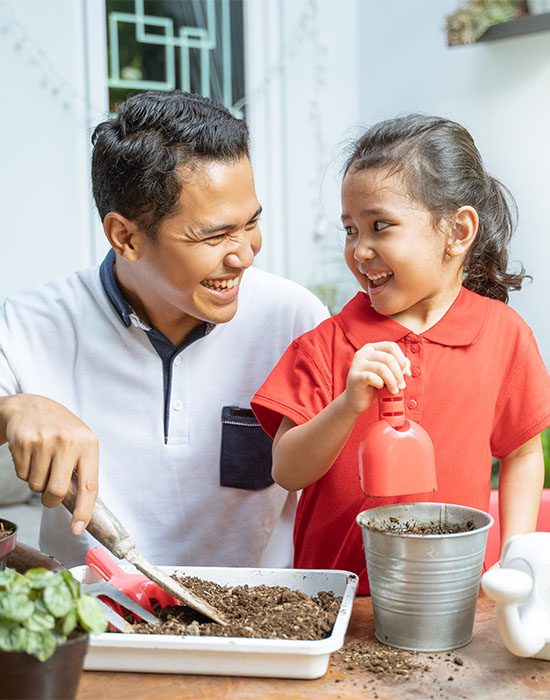
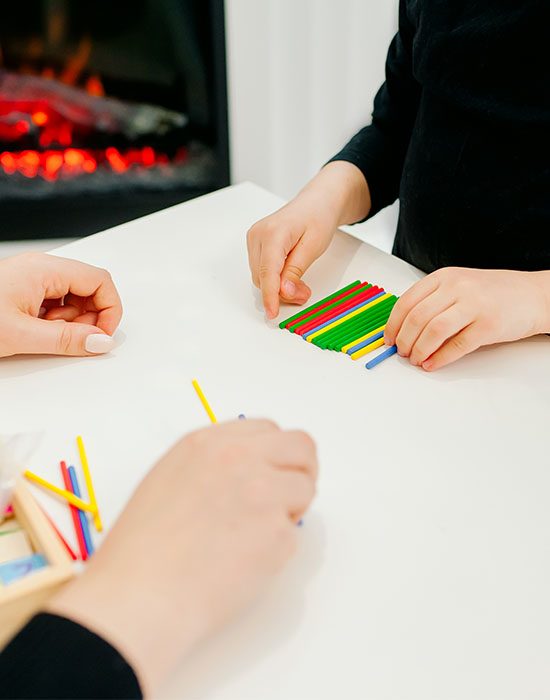
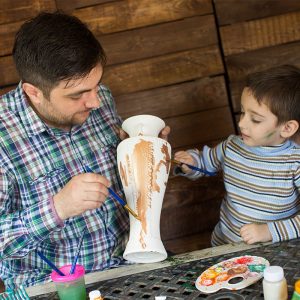
The environment and play are important elements that support each other
Together, the physical and emotional environment allows growth and development through activities and materials in defined play areas.
Play enables the child to achieve mastery in certain skills, and in the process teaches the child to have control over his/her environment.
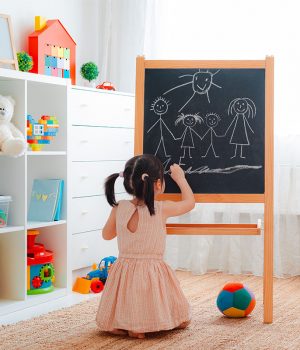
Different parts of an environment can have different stimulation levels, which have a direct effect on how the child plays – large areas encourage movement and use of space and closed areas with more soft features lend themselves to reading or discovery activities. With this in mind, it’s clear that a diverse environment creates a variety of experiences and opportunities for a young learner.
Besides ensuring a rich set of materials and learning opportunities to play, an effective environment should also be responsive, containing features that involve all the five senses and ignites thinking, has open-ended outcomes, and supports creativity.
Eg: Consider setting up a paint station. Besides the different colours you can give your child different textures to paint with: vegetable painting, q-tips, sponges, tooth-brush, threads, pebbles, leaves, and so much more…
There are textures, smells, things to see, and things to compare and play, within such an environment. A rich mixture of these textures and different objects creates an invaluable play experience.
So, why is this all important?
Young children are in the process of rapid brain development. Early childhood experiences lay the foundation of Brain Architecture; the brain re-wires itself based on experiences and different environments. The child not only learns new things in new environments, but his/her brain is also constantly applying knowledge of past experiences to newer ones, thereby building up more complex skills!
Responsive environments that generate interactive experiences- crucial to early learning. Because the child’s experiences are limited by his/her surroundings, the environment you provide has a crucial impact on:
– The way the child’s brain develops.
– Whether or how genes are expressed
Preparing the Physical Space for Play:
You might need to redo your space from time to time, to ensure age appropriate resources. In structuring the physical environment for play, consider these questions:
– How is the space arranged, both indoors and outdoors?
– Are there clearly marked areas in which children may find the housekeeping, reading, and block materials?
– Is there enough space between the areas to walk around?
All of these features, will foster child’s freedom to choose his/her own activities, which in turn develops the complexity of his/her play as well as encourages ongoing play.
Relationships flourish as the child has the opportunity to play with peers in self-chosen activities. Parents must have a deep understanding of the outcomes they want to achieve, know how to design a “rich” environment to realize the desired outcomes, and understand their role as facilitators.
SHARE
Share on facebook
Facebook
Share on twitter
Twitter
Share on linkedin
LinkedIn
Share on whatsapp
WhatsApp
Last Chapter
Next chapter