
Preschoolers – PSED
Enabling Environments for Preschoolers
Chapter 6.5
Share on facebook
Share on twitter
Share on linkedin
Share on whatsapp
Indira tip toes into the room, as her little baby brother is napping. She knows she cannot be loud. So, she whispers to her mother that she would like to eat an orange. She squeals with joy as the mom obliges her with an orange. Indira insists on peeling it herself.
So, her mom helps her with directions. “First make a hole on the top with your thumb, and then peel and peel and peel. You can remove those white fibres from it. Now break the orange into pieces and relish” On doing so, some of the juice splashes into Indira’s eyes, fills her nose with the fruity aroma, the soft orange pulp looks juicy and tempting, gobbling it down gives a big sense of relief and achievement.
Let’s Reflect
Mini-adults, that’s what three- five years old think they are. It is essential to support their autonomy and independence in caring, supportive environments which respond to their individual needs, allowing them to play and explore.
Falling down in order to get up, feeling pain to understand joy might not seem to be a big thing. But they are in context to early years. Until a child is exposed to challenging new situations, s/he will not learn to cope up in times of unfamiliar experiences which can be as small as scraping one’s knee.
What makes an environment enabling?
Enabling Environment is a unique combination of discovery, exploration, investigation, play, and practical tasks all predominantly child-initiated and child-led. The child needs to be encouraged to follow rules and routines, to be responsible for their own safety and assess risks – all under close supervision!
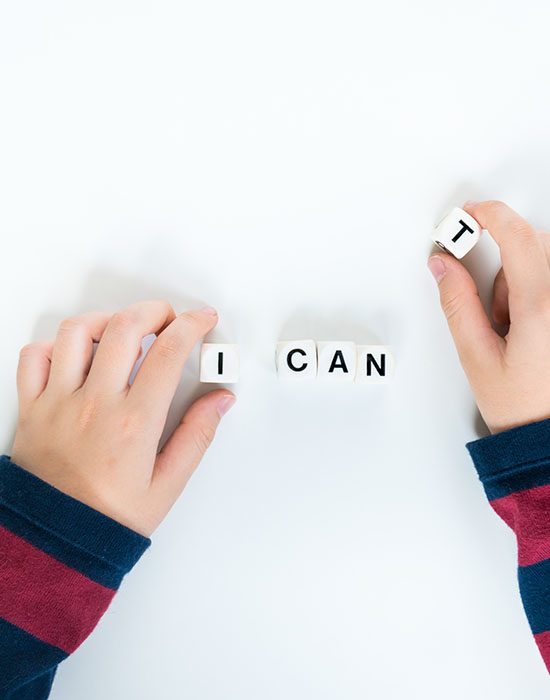
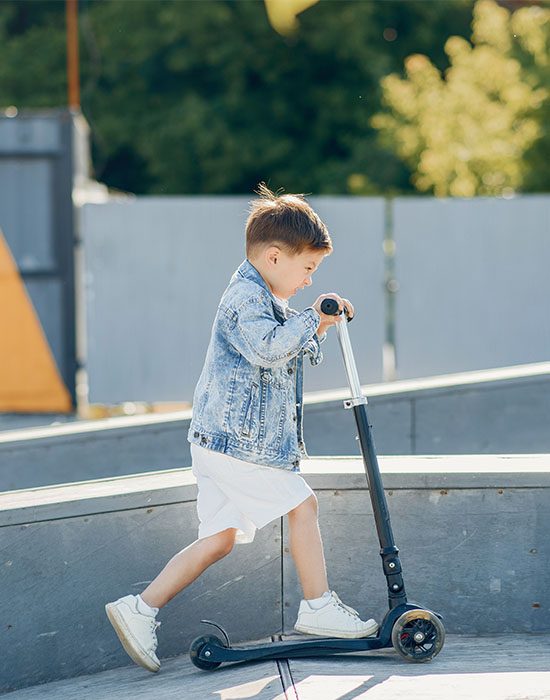
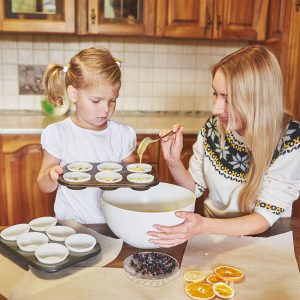
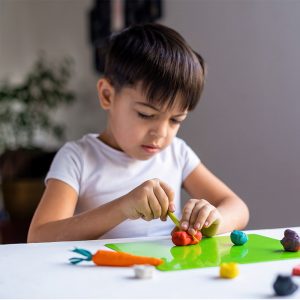

Now how do you prepare your child to take sensible risks?
Well, before taking risks it is important for him/her to get into a habit to introspect the following question(s):
Will it make me feel good?
Eg: Trying to serve food to everyone at the dining table.
Who can help me?
Eg: Grandma can help me make my own nimbu paani. Shshshshshhhh..
How can I keep myself safe?
Eg: I cannot go near the gas stove. The fire is dangerous.
How to identify and avoid possible danger?
Eg: Seeing a car coming the little girl halts and also stops her parents way ahead!
Why am I making this choice/decision?
Eg: I want to skip cycling today so that I can go to my friend’s house
Reasons why I am allowed to do or have some things and not have other things?
Eg: I am 4+ so I can have juices only. Tea/coffee when I turn 18+.
Enabling environments does not mean burning a hole in your pocket!
Look Around, be creative!
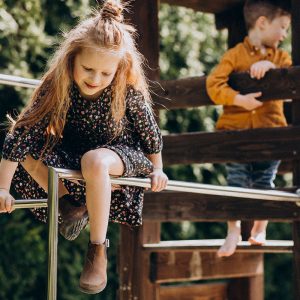
Ethos of child-led and child-initiated learning can happen even in a small area of your space which could be set aside to allow him/her to ‘do their own thing’ using natural materials. Leave the grass long and if you have trees and shrubs let them play around them. Providing the children with old bedsheets and some ropes, baskets and small pieces of wood will encourage them to build dens and do some problem solving. They will soon realise that this space is theirs and they can do all sorts of things without being interrupted.
Observation of these playtimes will provide information about your child which is unlikely to be gathered in any other way!
Some ideas to help you begin:
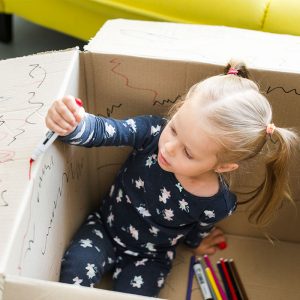
- Multipurpose/Recyclable: Large/Small empty cartons are always a big hit. Hide inside them, convert it into a tunnel, hop in to indulge in messy art, pretend to play as a garage, or a puppet. Possibilities are endless.
- Climbing areas: Chairs, planks, ladders,
- Quiet and secret areas: you can have a section/area which is set up as per their likes and is warm and inviting. Gives your child a sense of security during troubled times. E.g. The sudden thunder of the clouds led Nischay into his pretty tent with his toy friends and comfy blanket.
- Space to use wheeled vehicles: Charting out a parking bay for his/her riders. Besides outdoor spaces, designate areas within the house where they can ride into them.
- Space to develop new skills: Creating a safe indoor zone, for letting them indulge in activities like throwing, rolling, catching or aiming balls, beanbags or hoops. It is important to develop physical skills without inhibitions.
- Sand Pit: If you have one at a nearby park great, else you can use any discarded tray to fill in sand. Add pebbles, hide animals, build those mud houses.
- Water: Using hose to clean up their cycles, giving those hotwheels a car wash, or juggling water from one pan to another, or how about giving peppa and her friends a rain shower!
- Think before you discard: save used items such as milk crates, tyres, large cardboard boxes and bakers’ trays, rubber corks, baskets, scarves/dupatta. Collect natural resources: shells, pebbles, feathers, leaves, fruits, veggies and so on. These are the key ingredients to numerous play recipe! Perfect for endless role plays, art and craft, sorting activities.
Engaging in practical activities and having the ability to achieve, builds self-confidence and self-esteem in the child. All this is only effective in the presence of positive and effective relationships; Be positive, creative and enjoy these growing up phases.
Moreover, mindful Interactions and careful observations will enable you to recognise your preschooler’s interests, needs, strengths based on which you can focus on the areas that need improvement, practise or is it time to raise the bar.

SHARE
Share on facebook
Facebook
Share on twitter
Twitter
Share on linkedin
LinkedIn
Share on whatsapp
WhatsApp
Last Chapter
Next chapter