

Module 1
Formative Years
Formative years are periods of early childhood between 0-6 years of a child’s life, when the path of learning autonomy and discovery gets paved.
The human offspring is like a clay pigeon unaware and unprepared for the consequences of the outside world for quite a long time – probably the longest of any known species.
Infants & Toddlers are born with extremely high learning and grasping skills and therefore participate in their own brain development. They signal their needs through intense curiosity to explore, experiment and master change. Respectful, Responsive & Reciprocal Relationships is the key to maximize the natural desire to learn during the early childhood years.
Early childhood is a window of both great risk of vulnerability to disruption and great potential for the impact of positive developmental influences.
The Catalyst
Chapter 1.1
Significance of Early Environment
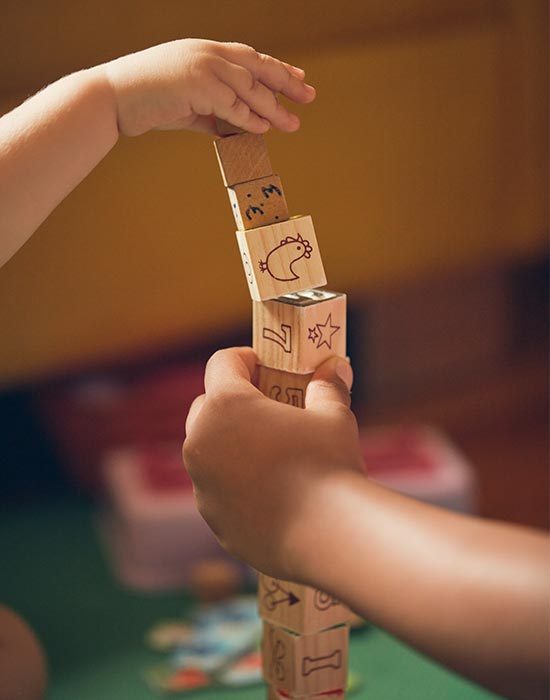
Grown-ups can assimilate knowledge but can never compete with a child’s brain in discovering and mastering new skills. Do kids really have a superior ability to learn than adults? What stimulates their learning?
This chapter will cover the answers to these questions about your child’s learning, development, and more!!
Synapses
Chapter 1.2
Impact of Early Experiences
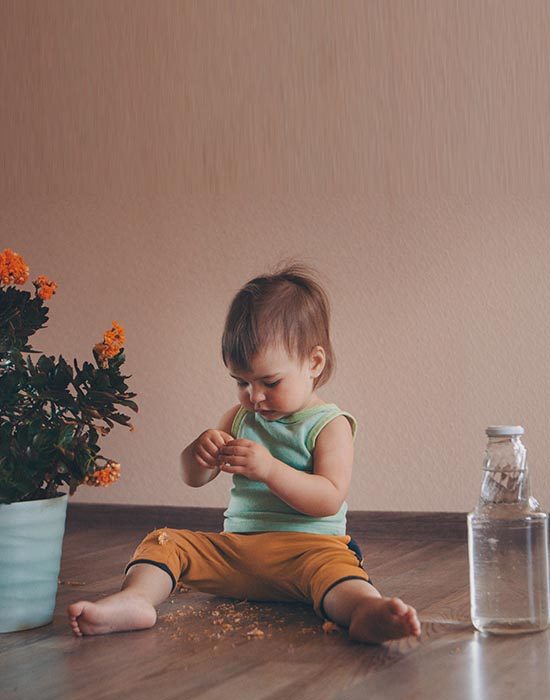
Research reinstate that what it takes to succeed in life is formed even before you enter kindergarten. Yes, the future of each child is determined during the first five years of their life!
What's happening biologically? What happens in early childhood?
Explorer
Chapter 1.3
Fostering Positive Attitude
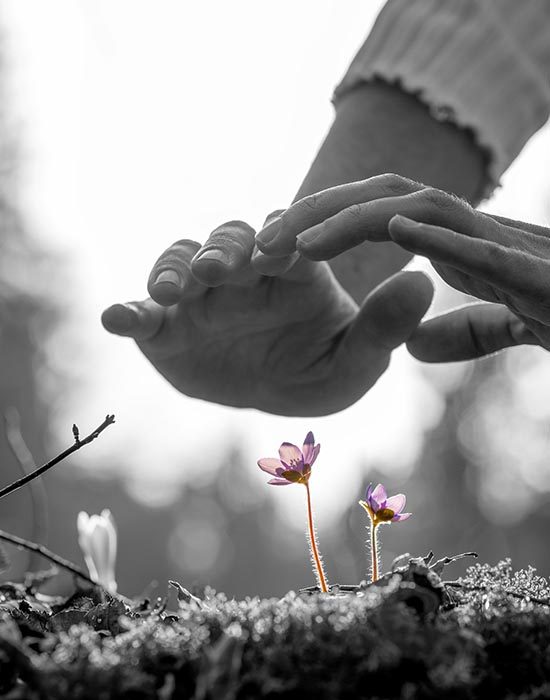
Your child is the architect of their own brain, piecing together the puzzle and reacting to the outside world. Child development is multidimensional (emotional, social, physical and, even, spiritual) entwined in a way that change or development in one dimension leads to development in another...

Facilitate
Chapter 1.4
Role Of Parents
Remember, you are your child’s first teacher. Every waking hour, your child is learning something new from you!
But with great power comes great responsibility ! You must be careful about what you say and do! As early as infancy the child is subconsciously absorbing your ways of living be it...

Heart & Soul
Chapter 1.5
Formation of Early Brain Architecture
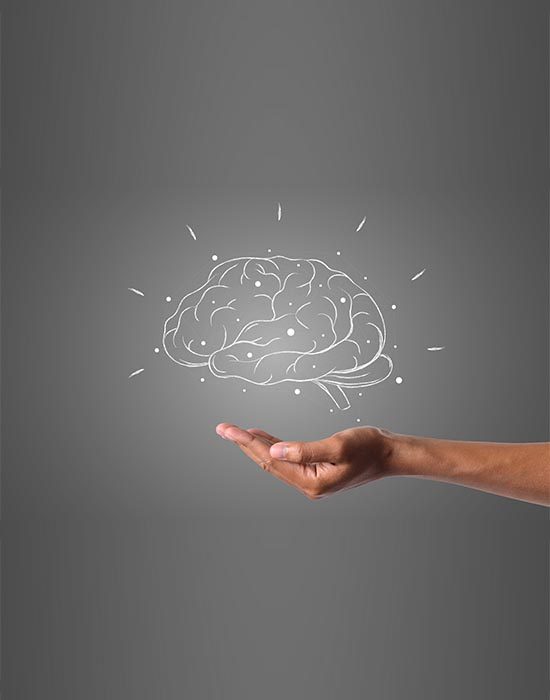
Brain architecture helps to understand the process behind brain development and how early childhood experiences influence future development for the child.
The prenatal stage is a period of rapid growth of the neural systems, however the connections (formed on account of experiences) amongst them take place only after birth...
The Signs
Chapter 1.6
Serve & Return Interactions: Part 1
It is similar to playing a lively game of ping pong amongst the parent and the child. Your child gives you a cue that they want your attention for something (serve) and you respond in a supportive manner (return).
How is ‘serve and return’ parenting beneficial?...

Moments
Chapter 1.7
Serve & Return Interactions: Part 2
Having quality time with your child in your everyday routine makes a big difference on their learning and development. Serve and return parenting can be done anytime and anywhere. Healthy Brain architecture relies upon a robust foundation strengthened by responsive relationships with caring adults...

Who Rules?
Chapter 1.8
Nature vs Nurture
The nature versus nurture debate is one of the oldest debates about whether human behaviour and personality are inherited (i.e. genetic) or acquired (i.e. learned)
So how much of a child’s personality is defined by nature and how much is defined by his or her environment?

Resilience
Chapter 1.9
Influence of Stress on Child Development
Learning to deal with stress is an important part of a child’s development. Children can grow up with a variety of stressors in their life. These can have an adverse impact on their future if they do not learn to cope with them.
However, not all stress is bad...

Can Derail
Chapter 1.10
Aspects of Early Childhood Development
Experiences during early childhood form the foundation for the way a child will live as an adult. Learning, behaviour, and health, across the lifespan are all built on this very foundation.
Recent advances in the research of early childhood development and the biology behind it sensitises about some key aspects of the early childhood development:
