
Early Learning & Development
Guidance to Support Early Childhood Learning & Development
Chapter 3.2
Share on facebook
Share on twitter
Share on linkedin
Share on whatsapp
Assessment is the way in which in our everyday practice, we observe children’s learning, strive to understand it, and then put our understanding to good use. (Drummond, 1993)
Let’s Reflect
Don’t we all use observation all the time in our personal and professional lives? By being constantly aware of what is happening around us and, through assessments that we make of situations, we adjust and refine our actions accordingly!
Similarly, parents as an everyday practice needs to observe their child, strive to understand it and then put the understanding to good use. This dynamic approach to observation and assessment enables parents to really see, and celebrate, children as individuals.
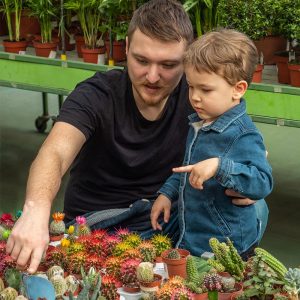
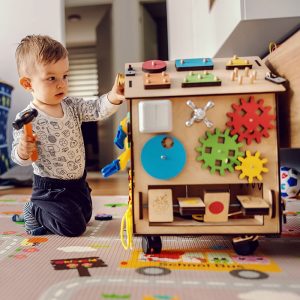
Young children’s learning is evident in their play and interaction. Appreciate the richness of their play and knowledge!
Detailed, careful, attentive observations with an open mind, helps parents to gain insights as to what their child knows and can do. This is critical for curation of approaches and strategies to aptly support his/her learning and development.
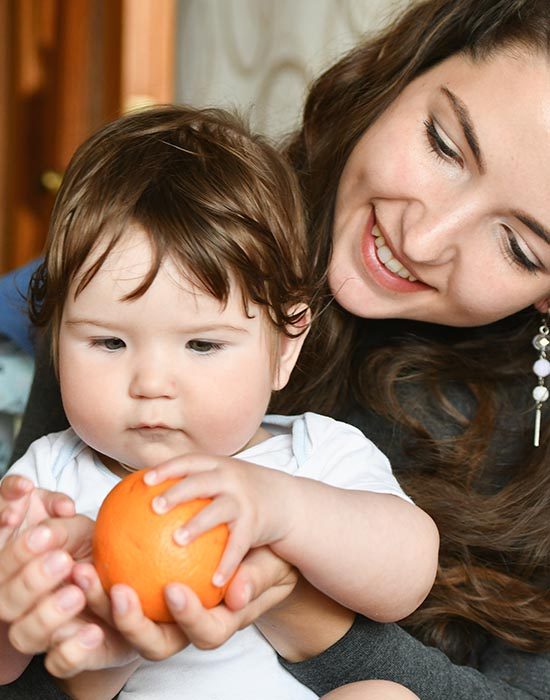
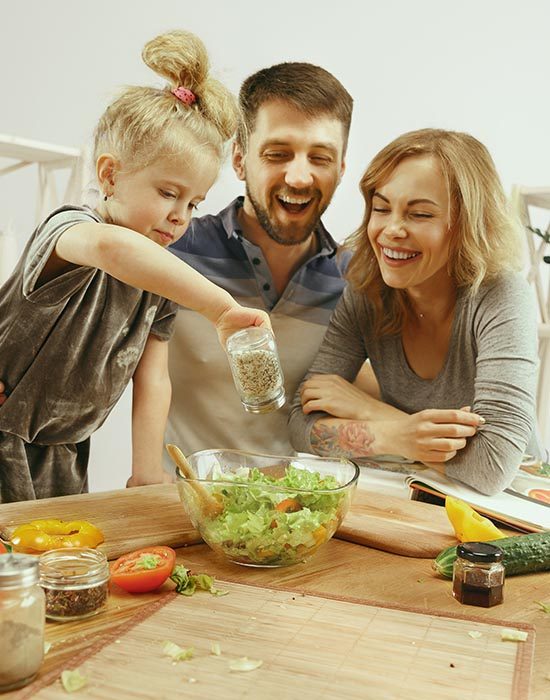
Interest is an excellent motivator for children. When children are engaged in an activity or experience that is absorbing, they are more likely to learn.
What to Observe??
What s/he is interested in?
Where does s/he play?
What does s/he play?
Who does s/he play with?
Which activities or experiences or themes engages him/her?
Another important question to ask is: how does your child learn best? as this will vary from child to child (even from the same womb)
Every child has a preferred way to explore his/her world:
s/he might be by returning repeatedly to an activity.
s/he might be singularly focused on an activity.
s/he might be working with the same schema through a variety of different activities and experiences.
s/he might be alongside other children or alongside an adult.
s/he may be in group work or on their own.
Observation allows practitioners to watch and make sense of children’s learning in a naturalistic and fluid way.
When being observed children are able to demonstrate how they make sense and meaning in their world through exploration and interaction in a situation that is familiar, developmentally appropriate and predominantly child-initiated. This enables the assessment of learning to be sensitively constructed around individual children. At best, this model of assessment is child-centred and focused on what happens next to support the child’s learning and development.
Treat what your child knows and can do, as starting points to adapt and refashion means and pedagogical practice
There are different ways of approaching the assessment of children’s learning.
- At times parents’ will need to do focused and purposeful observations so that they can assess a particular area of their child’s learning.
- At other times parents’ observation will be open and fluid and you will assess what emerges from the observation.
Both are valid ways of assessing children’s learning:
- What children enjoy and are interested in.
- Identifying specific learning needs.
- Following up something that you have noticed informally and want to find out more.
- Well-being.
- What a child is capable of within a particular area of development – physical, intellectual, language, emotional, social.
- Which schemas children are developing?
- Starting points for intervention.
- What a child knows and can do which will establish a child’s developmental progress/level
- To get to know a child better – open-ended
Children are endlessly surprising. Develop a more sophisticated understanding of young children’s learning and development!
If parents limit their observation to collecting information to assess their child against developmental norms and generalized criteria, they will miss so much of the richness of their child’s play. They might lose the opportunity to see more of the picture, to learn more about learning …
There is always more to learn and more to see. By being attentive and open to seeing what your child knows and can do, parents can learn:
- To make clearer connections between theory and practice
- To observe things that they need to think about and reflect upon to understand exactly what was happening
- To see things that confound their expectations about their individual child and/or expected developmental progress and stages

SHARE
Share on facebook
Facebook
Share on twitter
Twitter
Share on linkedin
LinkedIn
Share on whatsapp
WhatsApp
Last Chapter
Next chapter