
Early Learning & Development
Intentionally crafting play and learning – An Amalgamation
Chapter 3.10
Share on facebook
Share on twitter
Share on linkedin
Share on whatsapp
A lot of people might believe play might not deliver the quality education which is pivotal to a child’s development. However, science says otherwise.
Let’s Reflect
It has been a researched and proven fact now that-
Through playful learning that combines open-ended experiences, child-directed initiatives and teacher-guided activities, children do learn quality ideas and exceed standards.
To amalgamate play and learning for a holistic and quality development of a child, a caregiver/parent can do the following…
Intentionally Craft Scenarios
Design activities in stimulating environments where each object in play can teach a lesson. For example,
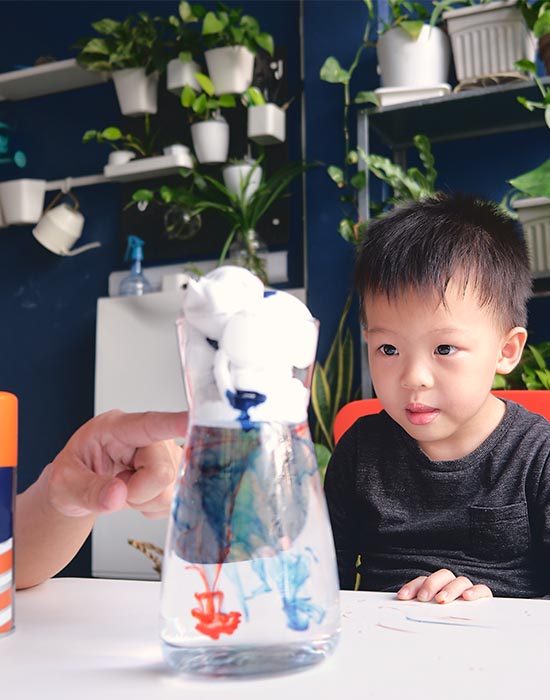
For teaching the concept of different states of matter, a pretend cooking session can be introduced in an afternoon upon science for preschoolers. Theme setting can be done as ‘Ice and Fire’ and an open forum of discussion can be initiated among kids about why water(liquid) turns ice (solid) on freezing and into vapour on heating. Engage children to make lemonade, let them pour and let them spill. Let them keep it in the fridge to see how soon it turns into ice. While heating it, you can let the children watch from a distance and simultaneously teach them that fire is off limits for them. You can introduce the concept of density, shape, size, properties of matter to the kids. After giving a demonstration to the whole group, you can let them freeze other liquids and come to you for heating others. It will surely motivate the children to explore their own questions independently and to investigate and challenge their assumptions.
Identifying Developmental Needs
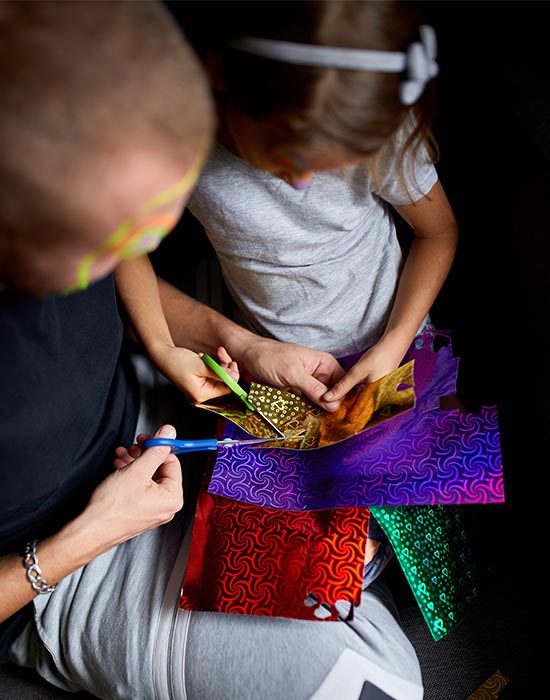
The time frame of development of certain skills and needs happens at a certain age and individually in most kids. With children varying in their current abilities and needs cognitively, socially, emotionally, and physically, having a flexible approach to teaching and learning—including lots of time for free and guided play—is essential. To honor individual development, parents can do their best to implement activities that are suitable for each toddler at home. Let children choose a game and caregivers can rearrange the daily schedule to offer more time for intentional choices and flexibility rather than defined and required work. Design choices that are active and engaging and make them available for the children to use at their will during open play every day.
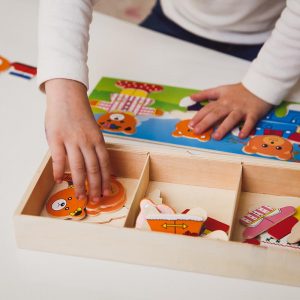
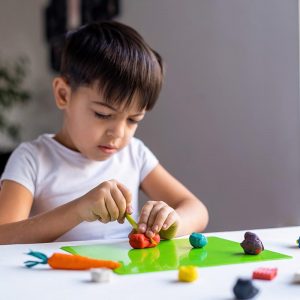
Lay out different games in front of children to choose from-Puzzles, board games or the choice to go on nature excursions or to pick random objects like paints, cardboards, bowls, funnels etc. Once chosen, let them find ways to play and explore with it. E.g. If the child chooses to play puzzle pieces and tries to make pictures out of it, initiate a conversation on how to use the shapes and edges of the pieces to join or show the original picture of the animal that they are trying to join. Try taking a snack break “But I want to finish this first!” comes her reply. Realizing the high-quality learning she was engaged in while playing with the puzzle, you can be flexible and give her more time to do it in the day.
Growth Assessment and Evaluation
Conventionally in schools, teachers use a variety of evaluation tools, such as – portfolios, report cards, running records, anecdotal notes and narratives and formal assessments that measure acquisition and application of skills and concepts. However, switching to play based learning right at home before school involves a dynamic process of evaluation, having a keen eye for detail(observation) for children’s interests, abilities, and efforts, seeking evidence of children’s learning and honestly reflecting on self- practice. It can be found that the combination of observing play and conducting skill-specific assessments provides well-balanced information and growth in kids. All that is needed is:
The direction of learning and developing activities should be appropriate, flexible, and challenging, which includes more free and guided play.
In the end….
As parents of toddlers, you can ask-
- What did my children gain today from my teachings?
- Did I miss an opportunity for learning?
- Did I reinforce the connection between intentionality, developmentally appropriate activities, and assessment?
- What did they learn from playing? Was it richer than the time when I relied heavily on worksheets (if they go to play school)?
With such introspection, there is always a scope of improving the quality of play learning and coming up with new ideas. When parents at home connect academic standards to play activities, they free themselves to support the overall development of children.
Although children may not fully understand the broader ideas they are exploring while playing, play provides experiences that contribute to their present knowledge and abilities that they will rely on when solving problems in the future. You never know that your baby girl/boy who enjoys reading aloud in preschool years, initiates voice modulation as a kindergartener, and eventually grows up to professionally join theatre as a teenager and excel.
Happy Nurturing!

SHARE
Share on facebook
Facebook
Share on twitter
Twitter
Share on linkedin
LinkedIn
Share on whatsapp
WhatsApp
Last Chapter
Next chapter