
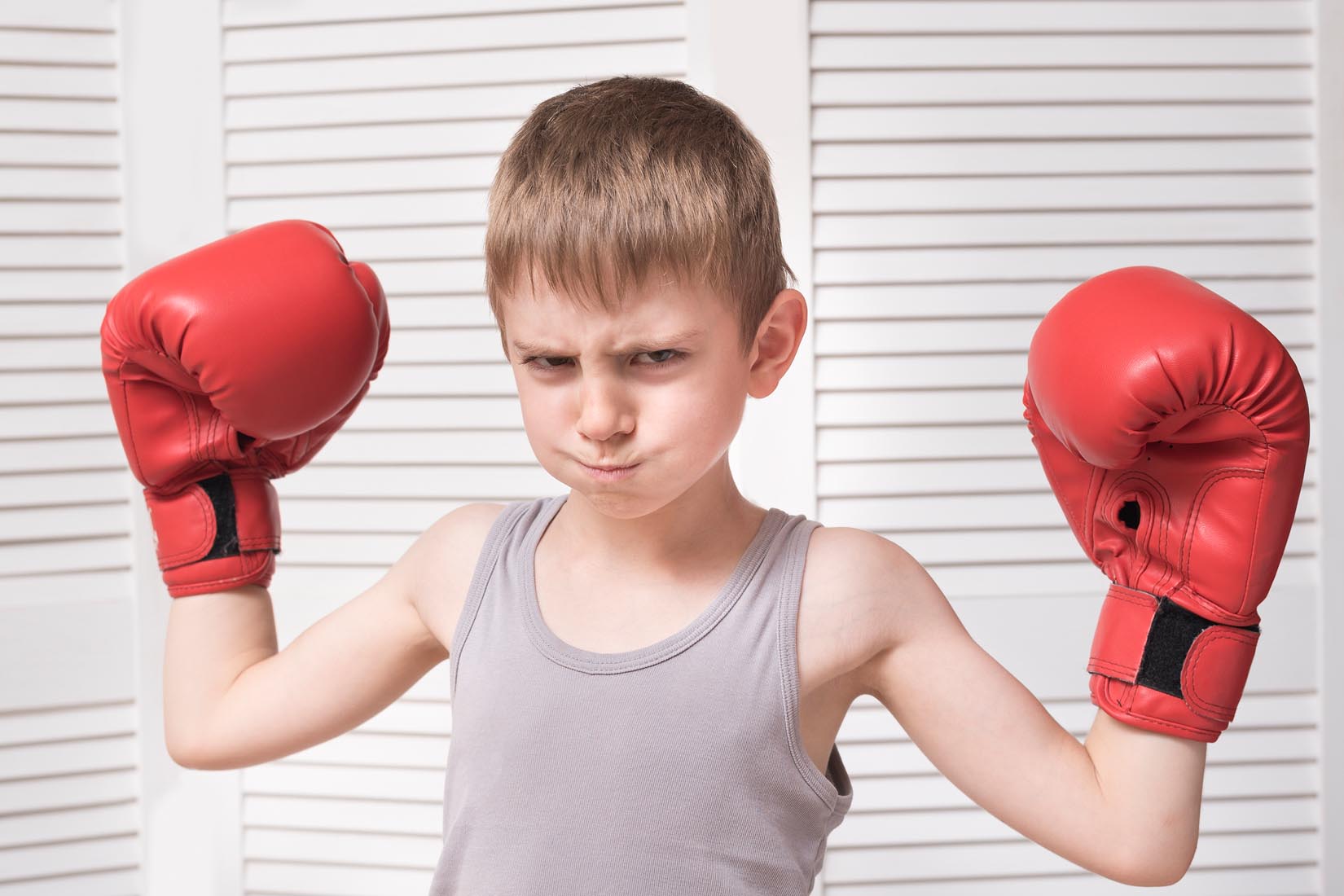
Avantika had just returned from work. Her 2 kids, 3 and 5 were playing together. The younger one was having a chocolate which the elder one snatched and ran and there…. the younger screamed in a fit, kicking the toys lying on the floor chasing his elder brother. As the two scuffled for the chocolate, the elder one hit his baby brother.
As Avantika watched all this, she felt irritated and separated the two. She then sat and thought about how aggressive her kids had become lately. They stomp, scream, and hit when they are mad. Was such aggression normal at such a tender age? How could she deal with her children flying off the handle every now and then?
It is common for a child to resort to hitting when his/her emotions boil over to the point of using action to express them. And at the same time, it is difficult for parents to play the referee all the time to stop them from doing the easiest thing they can without thinking all the time. In fact, out of frustration and tiredness, some parents guiltily resort to hitting the child back to make them ‘behave’ which is the worst form of parenting.
“Meeting a child’s aggression with adult aggression only adds fuel to the fire. To extinguish aggressive behavior, meet it with calmness and compassion. Being calm isn’t passive-be it to teach it”
This is where positive parenting seeps in.
If we go two steps back to why hitting happened in the first place in the example above, we see that had the chocolate not been snatched, the children wouldn’t have fought. So logically, our aim should be investigating the trigger and positive ways to channelize the reaction to it. Positive parenting does just that. In the case of hitting, it not just looks for a trigger to the situation, but also finds healthy outlets for kids to express the emotions to the stimulus.
Alternatives other than hitting or shouting: A closer look at ways you can divert your child’s anger.
Instead of constantly reminding your child to behave properly, know that the best strategies are those that encourage your child to cope with anger on their own. Here, we have jotted down a few ways that you can help them develop:
- Hands up!! If a child uses their hands inappropriately, then let’s find a way to keep his hands away than using them against someone or something else. Practice anger means hands up or in the pocket or folded or at the back of your body. Try to say something like “keep your hands to yourself” and the best way to do that is to make sure they’re not available to use.
- Divert the high energy: If the child doesn’t have control over swinging his hands despite repeated conversations, the new directive would be “we must save hitting for ____”
- Cricket
- Ball throws
- Dancing
- Racket games
Or any other option that suits your child. The idea being that you ‘lower down the battery’(energy) of the child with productive physical activities so much that he doesn’t have the strength to swing his hands negatively. For a child who is a hitter but understands opening up of the door to appropriate hitting is a huge thing!
- Stress relieving fidget toys: We all have seen those squeaky stress balls type of toys which help in tension bursting with every press. Similarly, fidget toys and bubble wraps do the same things for toddlers. For kids between 5-10 years of age, rubik’s cube can be a good toy to relieve tension. It’s like finding a way to occupy a child’s hands and mind to immediately put them to other use than hitting.
- Games at home that allow proprioceptive Input: Proprioception is the awareness of where one’s body is in terms of positions and movement. It is like knowing you are walking over grass without even looking just with the feeling of the feet even while wearing shoes. Offering input with a hitting and swinging motion like playing drums/bongo or doing jumping jacks where they clap their hands above their heads each time is just one way to help. This can be good for all kids irrespective of age.
- Pretend scold: Sometimes kids angry over others are pacified if we pretend to scold or hit the ‘culprit.’ Young kids feel that justice has been served to them, their emotions respected and it calms them down while never really being aggressive with the other person/culprit. The other person, however, should be talked out calmly to not repeat the trigger again.
- Praising good behavior: When your child actually refrains from getting triggered or for that matter does any good act, appreciate them with gestures like a peck on the cheek, a pat on the back or a high five. Physical contact is the language of love for kids. So when we take the time to recognize when they’re doing great instead of honing in on the times they slipped up, then it empowers our kids.
Also, parents should let their kids vent out their anger or disappointment by venting/talking out their feelings. They can guide them that feelings are not the same as actions and it is our CHOICE to act on those violent feelings. This can be done by strong acknowledgment and affirmation on the parent’s part. Parents can also set boundaries about what is off-limit for their kids. The goal shouldn’t be to force a sorry out of your kid but make him understand the power of apology and not repeating.
Signing off with a pro tip:
“Don’t teach your children to never be angry. Teach them how to be angry and deal with it