
Developmentally Appropriate Practice
Play is the Preparation for Life
Chapter 2.13
Share on facebook
Share on twitter
Share on linkedin
Share on whatsapp
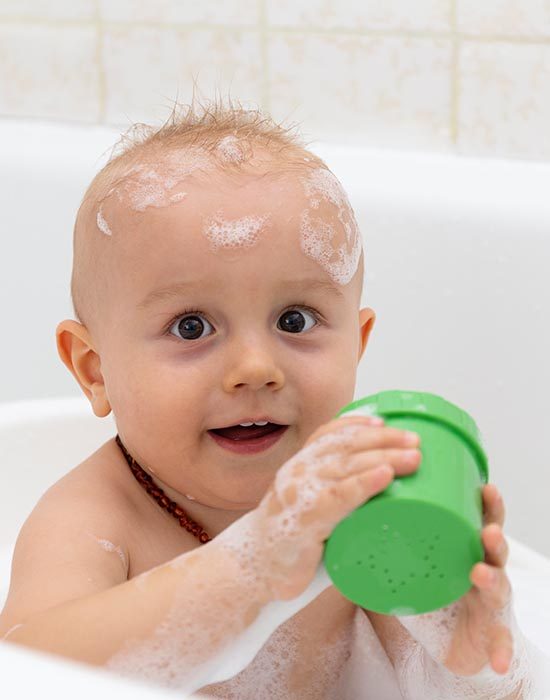
Ashwin’s favourite time in the day used to be while his dad used to bath him in the morning. It would be all about splash, throw, hide and float! In fact, his father added a little tinge of learning in it. He added a rhyme! So before pouring water on his little body, he would sing-
Once there was a boy
A boy your age
He feared the dark
And the creatures of rage.
But one day he decided
To fight them all
He turned on the light
And saw them all fall!
He was teaching him to be strong!
“Come on! Sing along, honey” he would say. And they would sing duets in the bathroom.
As Ashwin grew up and faced challenges, his dad’s bath time play routines and teachings never left his side during troubles. He would chant the rhyme to feel empowered!
Let’s Reflect
However, experts have observed that some children seem to be “natural” at indulging in play whilst some need to “learn” how to play and this is where parents can make a big difference.
Active players in their own Development & Learning.
Play is the most effortless way towards building active, healthy bodies during the formative years of childhood. Brain research in recent decades reinforces the notion that children are innately competent.
Let us look at the how parents can harness and catapult benefits of Play during early childhood:


What Parents can Do?
Turn everyday activities into playful learnings!
Play sparks creativity and embarks the child’s journey to the world of imagination, proficiency and strength, intelligence, and empathy. Since the early years play is the sole medium of exploring and interacting with the world around.
Eg:
1. Brushing can be killing the monsters. Practice colors, count numbers, introduce emotions, the possibilities are plenty.
2. Bath time: Learn the concept of float and sink early on, while having fun rescuing animals that got sunk in the tub, or the foam monsters that are floating on the water.
Aid your little one overcome his/her hesitations in taking up challenges and traversing the unknown paths.
Eg:
Samar visits an amusement park, with his parents. It is Samar’s first time. He is all of 20 months. He amusingly watches other kids jumping on the trampoline and having a gala time. He wants to jump on a trampoline too but is also afraid.
His mother notices his will and apprehension, she holds his hands tightly and supports his jumping. This allows him to next time try on his own and drives away the initial fears.
These little buds are super conscious about not hurting themselves. So, parents need to support their learning and help them gain confidence through words, actions, examples whatever works.
Encourage your child develop new competencies
Keep challenging their abilities step by step thereby building confidence and resilience needed for coping up with uncertainties in life
Play is the natural way of learning since birth.
– Pouring liquids from the pitcher into a wide mouth container and then maybe progress pouring into a glass
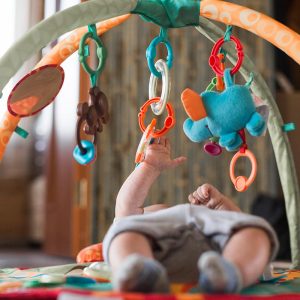
– Keep that favorite toy at a distance, for the baby to attempt reaching it.
– Unlocking the latch of the box
– Replicating a pattern with objects, crayons or replicating actions or replicating sounds
Create ample opportunities for free play.
No coaches or umpires & no rules is critical for the brain development in the formative years. The more they put to use their developing minds, the more they discover, the higher the synapses are built and used.
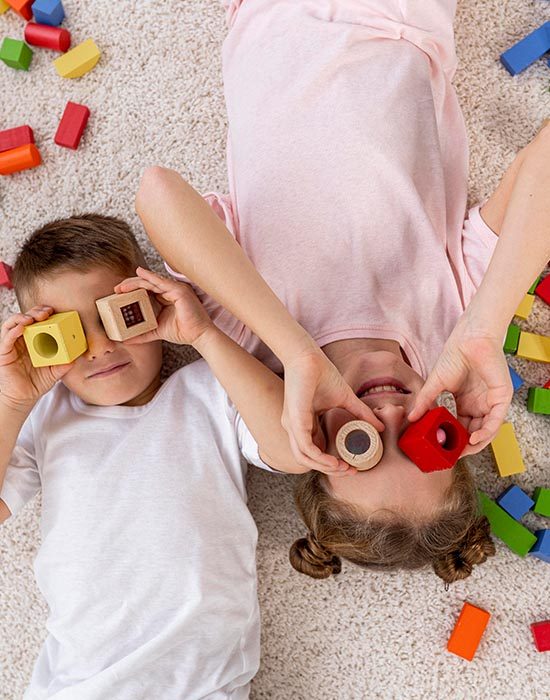
How about maintaining age-appropriate “free play” trays (play dough, water colours, q-tips, strings, empty containers, animal figures, character figures, straws, blocks, scarf)!;a rich variety of textures, colours, shapes, sizes and origins, are fascinating to children. Sit back and enjoy watching their thought process and abilities grow with time:
Infants would probably:
dip their fingers in paint and squish it all over. Or maybe try to make sense of the animal figures, or maybe want to play around with a scarf and so on…
Toddlers would probably:
emerge q-tips and try mixing colours, painting their own self, might make animal sounds or enact a role play with their favorite animals, might want to nest or stack the containers, would arrange the straws in a straight line and so on…
Preschoolers would probably:
try making objects of interest, probably a car, a mouse, a cupcake, a tree etc, would create a story having characters and farm animals, would want to feel the texture of the leaf and make a pattern out of it and so on….
In fact, encouraging unstructured & undirected play may be an exceptional way to invite close observation, stimulate imagination and creative expression, extend vocabulary and communication skills
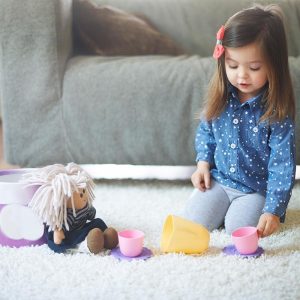


Follow their lead, be their learning ally!
It is about letting children ‘go’ to do what they need to do.
Child-led Play does:
Uncovers their areas of interest,
Help them figure out their path at their own pace and time, thereby enabling a sense of independence to get acquainted to their abilities, inner strengths, and passion they might wish to pursue.
Eg:
1. Infant seems to be excited at the sight of a cat strolling in the garden. You could initiate conversation around it “oh you are amused by that cat. It is furry and white in color. Looks like it got scared and hid behind the bushes”
2. Your threenager is curious at the sight of planets is flipping the book. You name the planets for her, use a playdough to imitate sizes, extend the activity to craft, painting, counting, etc
Perhaps above all, play is the most cherished memory of every childhood!
SHARE
Share on facebook
Facebook
Share on twitter
Twitter
Share on linkedin
LinkedIn
Share on whatsapp
WhatsApp
Last Chapter
Next chapter