
In Anurag’s day care, a flood relief campaign was being organized.
As the message for a helping hand was circulated to the parents, Anurag and his mother began piling up things that they could donate.
His mother pulled out all the old clothes and started to pack them. As Anurag saw her doing it, he came running, “Mama wait! Please put my shoes in too”
Anurag got a pair of his shoes. He had 5 pairs and he chose one from those.
“Please give this too”
“But honey, we just bought them a few months back and they are still new. Let’s give something that we don’t use”
“No mama. I have 4 others but the boy I saw on T.V inside water had no shoes. I felt sad”
His mother smiled with pride. Her 5 year old was more sensible than most others and even her that day.
That’s what kids do at times. They teach parents profound concepts with their innocence.
We might think that our toddlers in the age of 3-5 are too young for concepts like compassion, kindness or empathy given they are developmentally self-centered and perspective-taking skills are still very much under development. However, young children do have the foundations for altruistic behavior.
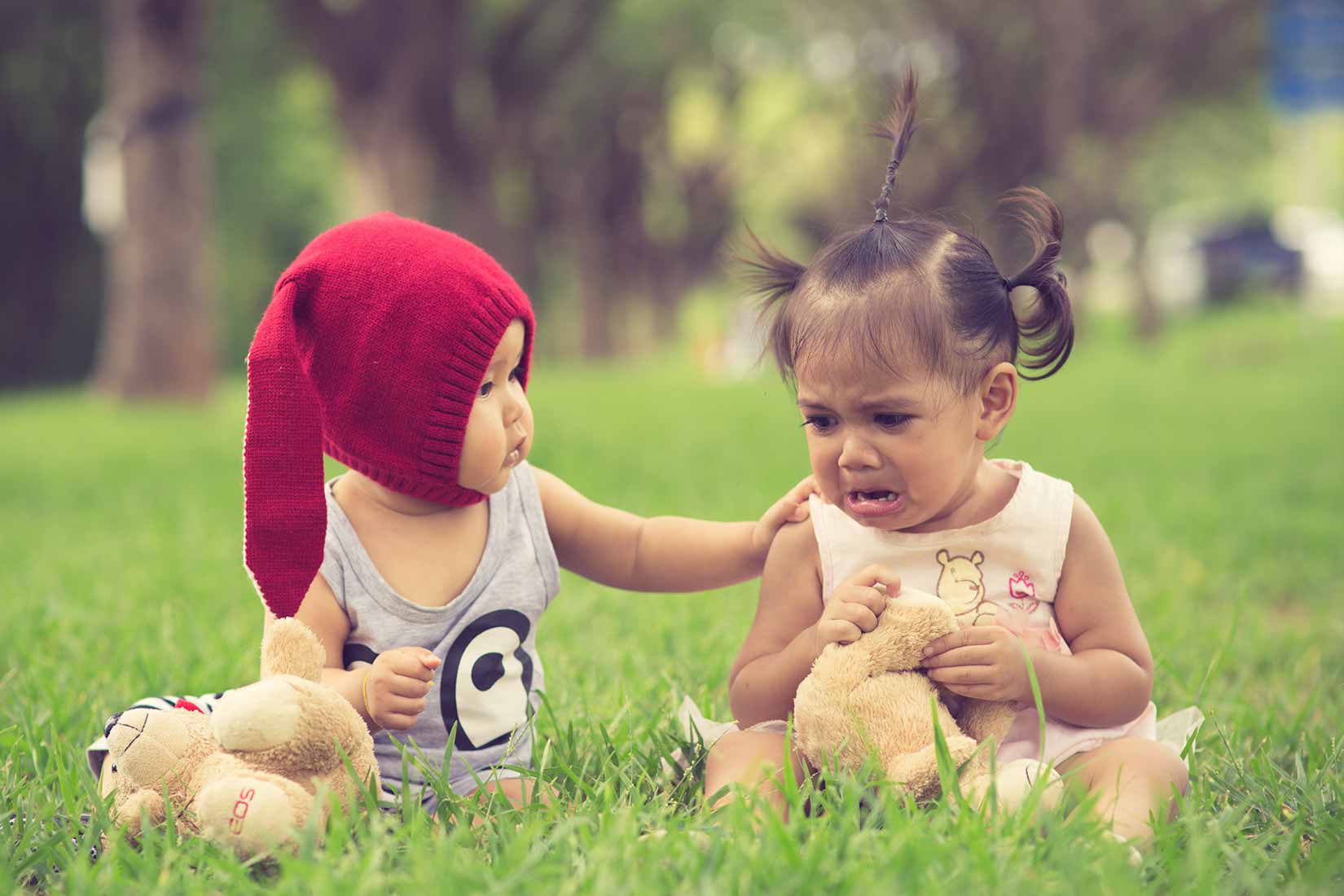
Supporting empathy can be inculcated during the formative years and evolve as kids get bigger, laying the infrastructure for ethical, successful adults. If parents guide and allow for it, there can be a space for children to weigh the issues and balance themselves right after conflict or in situations of helping others. For example, post a quarrel between siblings, children can be talked into resolving the issue by being kind to each other, sharing the object of issue, making them realize with questions like ‘How would you feel if the same happened with you’ and making the sobbing one laugh with innocent antics. In our fast-paced lives, we normally just zoom straight through demanding situations or situations with a scope of ‘doing better’ just like Anurag’s mother did. But it’s in this small space — the space that feels really bad about others situations — where kindness and compassion can happen.
The science behind empathy
Empathy is divided into cognitive, emotional and applied empathy, all of which are valuable. In other words: There’s how we THINK about emotions, there’s how we FEEL emotions, and there’s what we DO about the emotional content in the world around us. And as responsible people of the society, parents should focus on imbibing the application part in their young ones the most.
Parents can begin this practice with naming the emotions and help explain other perspectives. Questions like ‘How would you/he/she FEEL in this situation?’ or ‘Can we do something to HELP him/her?’ or ‘What will HAPPEN if we don’t help him/her?’ etc.
Empathy as a concept of intentional teaching
It’s our job as parents to help this everyday process along, making sure that certain behaviors in our kids become second nature. They may not have been born with these characteristics, but you never know if it becomes their default way of being — the platform from which they approach the world. After all, home is the first school for any child and developing these pathways is what parenting is all about. We have to walk the walk!
Intentional parenting pitches in right here to fill this gap and infuse our everyday lives with the intentionality of teaching our kids kindness, compassion, empathy beyond pleasantries of manners. Just like anything in parenting, incorporating these topics into daily habits is a work in progress.
Ways to intentionally teach empathy to toddlers
1. Show your emotions
Be as expressive as you can when around your kids. Let your positive emotions of happiness, excitement, surprise, love be out in front of your kids. Be vulnerable even if it involves you crying a bit after a good family movie. Admit when you don’t know the answers and include your kids when seeking the answers. When you make a mistake, say sorry to your kids or your partner. Let your guards down.
2. Practice what you preach
Kids will do what you do, period. So model patience and giving benefit of the doubt to people in your behavior. Kids will learn compassion more when you walk the elderly across the street, open the door of the car for a person with hands full, help in donation drives, pick up litter in the park after play etc. than simply preaching them to do it themselves.
Starting a gratitude practice can be as simply talking about what each member of the family is thankful for during dinner. This way the kids will learn to use magic words like “sorry” “thankyou” and “please”
Most of the 5 year olds like to spill and paint their imagination. Encourage them for making cards for friends, grandparents, daycare teachers to show gratitude.
3. The right books and movies
Visual and auditory medium have a huge grasp over young minds. All you have to do is choose the right ones for your kids. Pick books and movies that spark conversations about kindness, compassion, and inclusion.
Books like Last Stop on Market Street, You me and Empathy, The Invisible Boy, Have you filled a bucket today, The Monster who lost his mean, Listening with my heart etc. can be some examples for good bedtime reads.
While you read these to your kids, don’t forget how they FEEL about the course of action taken by various characters in the book and what morals they can think of it.
Same concept goes for the movies. Some of the movie picks could include Inside Out, Beauty and the Beast, Zootopia, ET The Extra Terrestrial, Dumbo, The Wizard of Oz etc.
4. Celebrate Differences and Promote inclusion
The inherent values that our kids develop during early years stay with them for a lifetime. Teaching them “Each is Equal” should be started from toddler years. Heartfelt concepts of discrimination and inclusion can be taught to them with simple acts. Ask them to make friends with people who are different(in terms of height, weight, colour, skills, region) This can begin with encouraging “buddy practices” in day care or taking kids to various hobbies, community festivals, public parks etc. connect to the broader community that promote intermingling of different people. Parents can themselves join organizations that emphasize diversity.
You can also diversify your child’s toys or dolls by selecting with different abilities and skin color in mind.
5. Begin with yourself
To exude compassion for others, we need to be compassionate and kind to our own self first. Show your kids the importance of taking care of oneself by doing things that one loves. It can involve reading, sleeping, eating, pursuing a hobby, meeting friends etc. On the days of defeat, kids need to be taught to be kind to themselves and take a break to get back in the game.
To raise one with a heart of gold, the change has to start within our hearts, our families, our communities and ripple far. Good parenting is a combination of instincts and knowledge. If we instinctively want compassionate acts to be deeply rewarding to our kids, then we have to allow them to pick a course of action on their own terms by giving them the right knowledge and direction.